
Differential Gene Expression Analysis of RNA Sequencing Data Using Machine Learning/AI in R
Unlocking Complex Gene Expressions with AI and Machine Learning in R
Skills you will gain:
Machine learning/AI is an influential tool in the analysis of RNA-Seq gene expression data. ML methods are broadly used to identify new biomarkers for disease diagnosis and treatment monitoring and to learn unseen patterns in gene expression that boost our understanding of the fundamental biological pathways. The success of an ML/AI model depends heavily on the input data. Identifying an appropriate dataset can be a challenge, and the data must be selected carefully, as a predictive model trained on the unreliable or inappropriate data will produce unreliable predictions. The rations of machine learning analyses in public functional genomics repositories are encountered by rare curated ML/AI-ready datasets. Therefore, it is important to study a data set sensibly to confirm its reputation for a machine learning job.
Bioconductor packages are used to show all differential gene expressions by generating the volcano map, Euclidean distances, and heatmap.
Aim: The aim of providing access to powerful statistical and graphical methods for the analysis of genomic data.
- To determine the differential gene expressions between groups are significant.
- To compare two or more groups of samples in order to identify the differentially expressed genes that are across experimental conditions.
What you will learn?
Day 1: GEO repository and GEO2R web tool.
- General Overview of GEO, Data Organization, Query, and Analysis.
- Overview of GEO2R, how to use, Edit options and features, Limitations and caveats, Summary Statistics.
Day 2: R studio and Bioconductor packages.
- R and Bioconductor packages installation.
- DESeq2 Bioconductor package.
Day 3: Gene expression analysis with RNA-seq Data.
- Differential expression analysis with DESeq2 for RNA-seq Analysis.
Mentor Profile
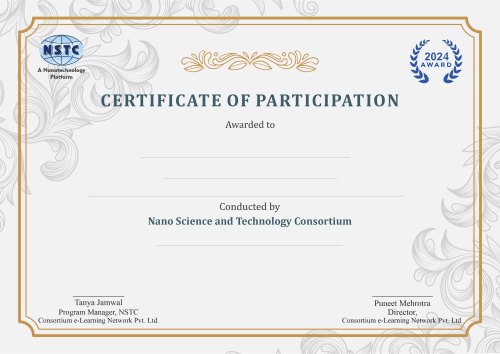
Get an e-Certificate of Participation!
Intended For :
- Undergraduate degree in Bioinformatics, Biology, Computational Biology, or related fields.
- Professionals in biotechnology, pharmaceuticals, or academic research.
- Individuals with a foundational understanding of molecular biology and an interest in computational data analysis.
Career Supporting Skills