
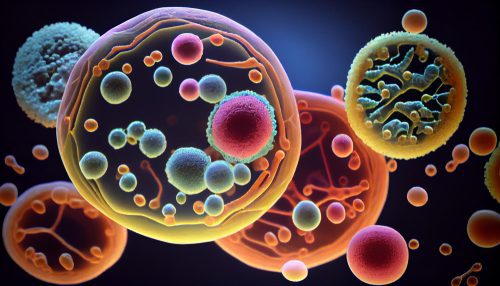
Stem Cell Technologies and Regenerative Medicine
INR ₹2,499.00 INR ₹24,999.00Price range: INR ₹2,499.00 through INR ₹24,999.00
This comprehensive stem cell biology program combines theoretical knowledge with hands-on laboratory experiences in regenerative medicine, covering stem cell technologies, clinical applications, and personalized therapies.
Aim
This course provides an introduction to the science and technologies behind stem cell research and regenerative medicine. Participants will learn about the fundamental principles of stem cell biology, their potential applications in medicine, and the revolutionary impact of stem cell technologies on treating various diseases and injuries. The course will also cover ethical considerations, challenges, and future prospects in the field of regenerative medicine.
Program Objectives
- Understand the basic principles of stem cell biology and its potential for regenerative medicine.
- Learn about the different types of stem cells and their applications in tissue regeneration and disease treatment.
- Explore how stem cells are used to develop therapies for conditions such as heart disease, diabetes, neurodegenerative disorders, and spinal cord injuries.
- Examine the ethical and regulatory considerations in stem cell research and therapies.
- Gain hands-on experience in stem cell technologies and laboratory techniques used in regenerative medicine.
Program Structure
Module 1: Introduction to Stem Cell Biology
- Overview of stem cells: definition, types, and characteristics.
- Stem cell potency: totipotency, pluripotency, multipotency, and unipotency.
- The role of stem cells in embryonic development, tissue homeostasis, and repair mechanisms.
Module 2: Types of Stem Cells
- Embryonic stem cells (ESCs): properties, culture, and differentiation potential.
- Adult stem cells: sources, types, and applications in regenerative therapies.
- Induced pluripotent stem cells (iPSCs): reprogramming, potential, and applications.
- Comparative analysis of stem cell types in clinical settings and research.
Module 3: Stem Cell Culture and Maintenance
- Techniques for isolating and culturing stem cells.
- Methods for maintaining pluripotency and inducing differentiation in stem cell cultures.
- Factors influencing stem cell behavior in vitro: growth factors, extracellular matrix, and culture conditions.
Module 4: Stem Cells in Regenerative Medicine
- Stem cells for tissue regeneration: bone, cartilage, skin, liver, and nervous tissue.
- Therapeutic applications of stem cells in wound healing, cardiac repair, and neurodegenerative diseases.
- Stem cell-based approaches for organ regeneration and transplantation.
Module 5: Stem Cells in Disease Modeling and Drug Testing
- Stem cell-derived models for studying diseases like cancer, Alzheimer’s, Parkinson’s, and diabetes.
- Use of stem cell models for drug screening and toxicity testing.
- Applications of organoids and 3D cell cultures in disease modeling.
Module 6: Gene Editing and Stem Cell Therapies
- Techniques for genetic modification of stem cells: CRISPR/Cas9, gene editing, and transfection methods.
- Applications of gene editing for generating disease models and targeted therapies.
- Challenges in gene therapy and the integration of stem cells with gene editing technologies.
Module 7: Ethical, Legal, and Regulatory Aspects
- Ethical issues in stem cell research and clinical application of stem cells.
- Regulatory frameworks governing stem cell therapies: FDA guidelines, clinical trial protocols, and international regulations.
- Public perception and policy issues surrounding stem cell-based treatments.
Module 8: Future Directions in Stem Cell Therapy
- Emerging trends in stem cell-based therapies and bioprinting for tissue and organ regeneration.
- The future of stem cells in personalized medicine and regenerative approaches to aging and chronic diseases.
- Innovations in stem cell manufacturing, bioreactors, and clinical scale-up technologies.
Final Project
- Design a stem cell-based therapy for a specific disease (e.g., diabetes, cardiac repair, or neurodegenerative diseases).
- Evaluate the potential of using iPSCs or adult stem cells for therapy and propose a plan for preclinical testing.
- Example projects: Developing a stem cell-based model for Alzheimer’s or creating a regenerative therapy for spinal cord injuries.
Participant Eligibility
- Students and researchers in Biomedical Engineering, Nanotechnology, Biotechnology, and Pharmaceutical Sciences.
- Professionals working in stem cell research, clinical research, and pharmaceutical industries.
- Anyone interested in the future of stem cell therapies and regenerative medicine.
Program Outcomes
- Comprehensive understanding of stem cell biology and its applications in regenerative medicine.
- Hands-on experience with stem cell culture, differentiation, and gene editing techniques.
- Knowledge of ethical, regulatory, and clinical aspects of stem cell therapies.
Program Deliverables
- Access to e-LMS: Full access to course materials, case studies, and resources.
- Hands-on Project Work: Practical assignments using stem cells and biotechnology techniques.
- Research Paper Publication: Opportunities to publish research findings in biomedical journals.
- Final Examination: Certification awarded after completing the exam and final project.
- e-Certification and e-Marksheet: Digital credentials provided upon successful completion.
Future Career Prospects
- Stem Cell Researcher
- Regenerative Medicine Specialist
- Biomedical Engineer (Stem Cell Technologies)
- Clinical Research Scientist (Stem Cell Therapies)
- Biotechnology Specialist
Job Opportunities
- Stem Cell Research Labs: Conducting stem cell-based studies in medical and scientific research settings.
- Biotechnology and Pharmaceutical Companies: Developing stem cell therapies and regenerative medicine treatments.
- Healthcare Providers: Integrating stem cell treatments into clinical practices for disease management.
- Regulatory Bodies: Working on standards and guidelines for stem cell applications in healthcare.
| Category | E-LMS, E-LMS+Video, E-LMS+Video+Live Lectures |
|---|
Related products
-

Pharmacovigilance for Drug Safety & Efficacy Course
INR ₹2,499.00 INR ₹24,999.00Price range: INR ₹2,499.00 through INR ₹24,999.00 Select options This product has multiple variants. The options may be chosen on the product page -

Nanotechnology in Agricultural Biotechnology Course
INR ₹2,499.00 INR ₹24,999.00Price range: INR ₹2,499.00 through INR ₹24,999.00 Select options This product has multiple variants. The options may be chosen on the product page -

Comprehensive Immunotherapy Education Course
INR ₹2,499.00 INR ₹24,999.00Price range: INR ₹2,499.00 through INR ₹24,999.00 Select options This product has multiple variants. The options may be chosen on the product page -
Sale!

Liquid Biopsy and Circulating Biomarker Analysis Course
Original price was: INR ₹442,995.23.INR ₹221,497.62Current price is: INR ₹221,497.62. Add to cart -

Satellite Technology for Climate Monitoring and Disaster Response Course
INR ₹2,499.00 INR ₹24,999.00Price range: INR ₹2,499.00 through INR ₹24,999.00 Select options This product has multiple variants. The options may be chosen on the product page

What You’ll Gain
- Full access to e-LMS
- Publication opportunity
- Self-assessment & final exam
- e-Certificate
Reviews
There are no reviews yet.