Introduction to the Course
Welcome to the AI in Retail and E-Commerce Course! In this course, we’ll explore how artificial intelligence (AI) is transforming both online and offline retail, making things more personalized, efficient, and customer-centric. From demand forecasting to intelligent automation and customer analytics, AI is reshaping the way retailers operate. Whether you’re just starting or looking to expand your expertise, this course will help you apply AI in real-world retail scenarios to boost business growth, enhance customer experience, and develop the skills you need for a thriving career in this high-demand field.
Course Objectives
- Grasp the fundamentals of AI and how it’s used across the retail and e-commerce industries.
- Learn how to craft personalized shopping experiences using machine learning and AI algorithms.
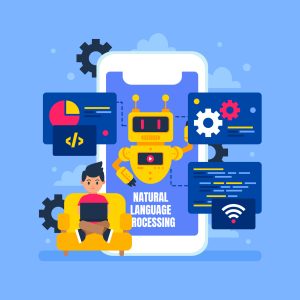
- Understand how chatbots, virtual assistants, and NLP (Natural Language Processing) are reshaping customer engagement.
- Gain insights into how AI-driven systems help with demand forecasting, inventory management, and pricing optimization.
- Get hands-on experience in using AI tools to boost sales, marketing efforts, and improve customer retention strategies.
What Will You Learn: Modules
Module 1: Introduction to AI in Retail and E-Commerce
- An overview of AI applications in retail, from personalization and customer engagement to logistics and more.
- How AI is changing the customer experience and driving digital transformation in the retail space.
- Introduction to AI-powered recommendation engines, predictive analytics, and dynamic pricing strategies.
Module 2: Personalization and Recommendation Systems
- How AI algorithms create personalized shopping recommendations based on customer data and behavior.
- Building recommendation engines for products, services, and content tailored to individual needs.
- Hands-on project: Develop a simple recommendation system using customer data to improve the shopping experience.
Module 3: AI-Powered Chatbots and Virtual Assistants
- The role of AI-powered chatbots and virtual assistants in providing top-notch customer service in retail.
- How natural language processing (NLP) and AI-based conversational interfaces enhance customer support and sales.
- Hands-on project: Build your own AI-powered chatbot to answer customer queries using NLP techniques.
Module 4: Demand Forecasting and Inventory Management with AI
- How AI and machine learning help businesses predict demand and optimize inventory levels.
- Leveraging historical data, trends, and external factors to forecast product demand and ensure timely stock replenishment.
- Hands-on project: Build a demand forecasting model using real-world sales data.
Module 5: AI in Price Optimization and Dynamic Pricing
- Understanding how dynamic pricing works and how AI adjusts prices in real-time based on customer demand, competitor prices, and inventory.
- Using machine learning to spot pricing patterns and maximize revenue generation across products and services.
- Case study: Apply dynamic pricing strategies to e-commerce platforms using AI-driven models.
Module 6: AI in Marketing and Customer Retention
- AI-driven marketing: How to segment customers and deliver personalized ads to boost sales.
- How AI can improve customer retention by delivering personalized offers, loyalty programs, and predictive churn models.
- Hands-on project: Implement an AI-driven email marketing campaign using customer segmentation and behavior analysis.
Module 7: AI for Fraud Detection and Cybersecurity
- How AI helps identify and prevent fraud while improving cybersecurity in e-commerce.
- Using machine learning models to analyze transaction patterns and prevent fraudulent activities.
- Case study: Create a fraud detection system for e-commerce platforms using machine learning techniques.
Module 8: AI in Logistics and Supply Chain Optimization
- How AI optimizes logistics, inventory management, and delivery for e-commerce businesses.
- AI applications for warehouse automation, delivery route optimization, and real-time inventory tracking.
- Hands-on project: Develop an AI-powered logistics optimization system to streamline delivery and stock management.
Module 9: Ethical Considerations in AI for Retail
- Understanding the ethical implications of AI in retail, focusing on data privacy, algorithmic fairness, and avoiding bias.
- How to address customer concerns and meet regulatory requirements in AI-driven systems.
- Exploring responsible AI practices to ensure transparency and build trust in the digital retail ecosystem.
Module 10: Future of AI in Retail and E-Commerce
- Exploring emerging trends in AI for retail, such as autonomous shopping, robotic delivery, and AI-driven in-store experiences.
- The role of emerging technologies like 5G, IoT, and edge computing in transforming AI applications in retail.
- Case study: The future of AI in retail and e-commerce—how it will evolve in the next decade.
Final Project
- Design and create an AI-powered solution to solve a specific retail or e-commerce challenge (e.g., recommendation engine, fraud detection system, dynamic pricing model).
- Develop a working prototype using real-world data and apply the concepts you’ve learned throughout the course.
- Example projects: Build a recommendation system, create a chatbot, or develop a demand forecasting model.
Job Opportunities
- AI Startups: Develop cutting-edge AI solutions for the retail and e-commerce industries.
- E-commerce Companies: Use AI to enhance customer engagement, optimize sales, and streamline operations.
- Retail Companies: Apply AI to improve inventory management, pricing, and supply chain efficiency.
- Consulting Firms: Help retail businesses implement AI-driven strategies to boost operational performance and customer experience.
Why Learn With Nano School
- Access to e-LMS: Enjoy full access to all course materials, tutorials, and resources.
- Hands-on Projects: Practical assignments that give you real-world experience with retail and e-commerce challenges.
- Research Paper Publication: Opportunities to publish your research in respected journals.
- Final Examination: Earn certification after completing your final project and exam.
- e-Certification and e-Marksheet: Receive digital credentials upon successful course completion.
Key Outcomes of the Course
- Gain a solid understanding of AI technologies and how they apply to retail and e-commerce operations.
- Get hands-on experience in building AI models that drive personalized recommendations, pricing optimization, and customer engagement.
- Become proficient in using AI tools like chatbots, recommendation systems, and fraud detection systems to streamline retail operations.
- Learn how to integrate AI into real-world retail scenarios to improve productivity and customer satisfaction.
Enroll Now in the AI in Retail and E-Commerce Course and Start Learning Today!






Reviews
There are no reviews yet.