

Smart City Digital Twins: Integrating BIM with IoT Data for Real-Time Monitoring
Shaping Smarter Cities: Bridging BIM and IoT for Real-Time Urban Innovation
Skills you will gain:
About Program:
Explore the integration of BIM and IoT to create Smart City Digital Twins for real-time monitoring. Learn how to combine building information models with IoT data streams to enhance urban infrastructure management. Gain hands-on experience in data integration, predictive analytics, and dashboard creation. Perfect for students, researchers, academicians, and industry professionals aiming to leverage cutting-edge smart city technologies.
Aim: The aim of this workshop is to empower participants with the knowledge and practical skills to integrate BIM with IoT data, creating Digital Twins for real-time monitoring and optimization of smart city infrastructure.
Program Objectives:
- Understand the concept of Smart Cities and the role of Digital Twins in urban management.
- Learn the fundamentals of BIM and its integration with IoT data for creating intelligent urban systems.
- Gain practical experience in building and mapping BIM models, integrating real-time IoT sensor data, and visualizing this data on interactive dashboards.
- Explore AI-based predictive analytics for infrastructure monitoring and optimization within Digital Twin ecosystems.
- Develop hands-on projects that demonstrate the integration of BIM, IoT, and data analytics to build a smart, real-time monitoring solution for urban environments.
What you will learn?
Day 1 – Introduction to Smart Cities and Digital Twins
- Introduction to Smart Cities: Challenges & Technologies
- Digital Twins Overview: From Static BIM Models to Intelligent Cities
- Role of BIM in Smart Infrastructure
- Understanding IoT and Sensors: Core to Digital Twin Data Flow
Hands-on:
- BIM Model Creation: Simple building model using Revit/IFC for data integration
- Mapping Sensor Locations: Add IoT sensor points and define data types (temp, occupancy)
Day 2 – Connecting IoT with BIM for Real-Time Data Integration
- IoT Architecture in Smart Cities
- Data Streaming from IoT to BIM Models
- Real-Time Data Processing & Visualization
- Data Management and Interoperability: APIs, MQTT, and Cloud
Hands-on:
- IoT Data Simulation: Generating sensor data (Python) and streaming it
- Live Dashboard Creation: Visualize real-time data (Grafana/Power BI) and link it to BIM models
Day 3 – AI, Analytics, and Predictive Monitoring with Digital Twins
- AI & Machine Learning in Digital Twins: Predictive Maintenance & Energy Efficiency
- Real-World Case Studies: Smart Cities Using Digital Twins (Singapore, Helsinki)
- Scaling Digital Twins: From Building to City-Level Monitoring
Hands-on:
- Predictive Model: Build a simple anomaly detection model using real-time data
- Mini Digital Twin Prototype: Complete integration of BIM + IoT + AI for monitoring and prediction
Mentor Profile
Fee Plan
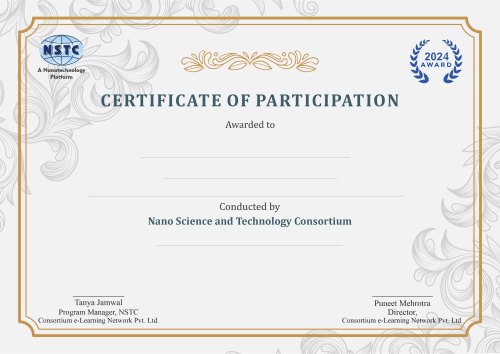
Get an e-Certificate of Participation!
Intended For :
- Doctoral Scholars & Researchers: PhD candidates seeking to integrate computational workflows into their molecular research.
- Postdoctoral Fellows: Early-career scientists aiming to enhance their data-driven publication profile.
- University Faculty: Professors and HODs interested in modern bioinformatics pedagogy and tool mastery.
- Industry Scientists: R&D professionals from the Biotechnology and Pharmaceutical sectors transitioning to genomic-driven discovery.
- Postgraduate Students: Final-year PG students looking for specialized research-grade exposure beyond standard curricula.
Career Supporting Skills
Program Outcomes
- Comprehensive Knowledge: Participants will gain a deep understanding of Smart City frameworks, Digital Twin concepts, and BIM-IoT integration for real-time infrastructure management.
- Hands-on Skills: Attendees will be able to create and manipulate BIM models, integrate IoT sensor data, and visualize real-time data in interactive dashboards.
- AI & Predictive Analytics: Participants will develop the ability to apply AI-based predictive models for predictive maintenance and energy optimization in smart cities.
- Practical Application: Attendees will have the skills to deploy Digital Twin solutions and implement smart city monitoring systems in both academic and industry settings.