

Predicting Efficiency (Exergy + Machine Learning)
Optimizing Energy Systems with Exergy and Machine Learning: Predicting Efficiency for a Sustainable Future
Skills you will gain:
About Program:
Predicting Efficiency (Exergy + Machine Learning) refers to the integration of exergy analysis and machine learning techniques to predict the performance and efficiency of energy systems. Exergy, a concept from thermodynamics, helps to quantify the quality and usefulness of energy in a system, highlighting energy losses and inefficiencies.
Aim: The aim of integrating Exergy Analysis with Machine Learning is to optimize the efficiency of energy systems by using advanced data-driven techniques to predict, analyze, and improve energy consumption and performance.
Program Objectives:
- Exergy Optimization: Minimize energy losses by identifying areas of inefficiency, improving overall system performance and sustainability.
- Predictive Modeling: Use machine learning to forecast system efficiency and performance, enabling proactive optimization and energy management.
- Fault Detection and Diagnostics: Apply machine learning to detect operational issues early, reducing downtime and energy waste.
- Sustainability Enhancement: Improve energy use efficiency to reduce environmental impact, contributing to greener, more sustainable systems.
- Decision Support: Provide data-driven insights to help operators optimize energy systems, ensuring cost-effective and efficient operations.
What you will learn?
Day 1: The Physics – Sensors, Steam, and Exergy
- Energy vs. Exergy: First vs. Second Law of Thermodynamics.
- Power Cycle Anatomy: Boilers, turbines, and condensers.
- CoolProp Intro: Using Python to calculate thermodynamic properties.
Hands On:
- Setup: Google Colab environment and install libraries.
- Data Ingestion: Load turbine_sensor_data.csv.
- Physics Engine: Use CoolProp to calculate Enthalpy (h) and Entropy (s) for each sensor row.
- Target Calculation: Create a column for Exergy Destruction.
Day 2: The Algorithm – Intro to Machine Learning
- Machine Learning: Features vs. Targets.
- Supervised Learning: Algorithm learning from data.
- Decision Trees/Random Forests: Data splitting for predictions.
Hands On:
- Data Pre-processing: Split data into training/testing sets.
- Build AI Model: Use RandomForestRegressor, train on data.
- Evaluate: Predict efficiency, calculate Mean Absolute Error.
Day 3: The Insight – Advanced AI & Predictive Maintenance
- XGBoost: Powerful algorithm for forecasting.
- Feature Importance: Analyze why AI makes specific predictions.
- Prediction to Action: Use AI insights for predictive maintenance.
Hands On:
- Upgrade to XGBoost: Install and train the model.
- Visualization: Plot Actual vs. Predicted Exergy Destruction.
- Insights: Feature importance chart (e.g., temperature vs. pressure).
- Wrap-up: Save the AI model (model.pkl) for deployment.
Mentor Profile
Fee Plan
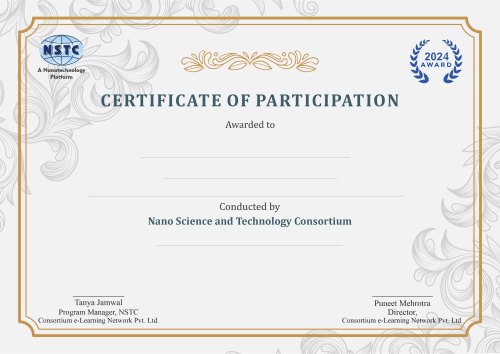
Get an e-Certificate of Participation!
Intended For :
- Doctoral Scholars & Researchers: PhD candidates seeking to integrate computational workflows into their molecular research.
- Postdoctoral Fellows: Early-career scientists aiming to enhance their data-driven publication profile.
- University Faculty: Professors and HODs interested in modern bioinformatics pedagogy and tool mastery.
- Industry Scientists: R&D professionals from the Biotechnology and Pharmaceutical sectors transitioning to genomic-driven discovery.
- Postgraduate Students: Final-year PG students looking for specialized research-grade exposure beyond standard curricula.
Career Supporting Skills
Program Outcomes
- Improved Efficiency: Enhanced energy system performance through exergy optimization and predictive analytics, leading to better utilization of energy resources.
- Reduced Operational Costs: Early detection of inefficiencies and faults reduces energy waste and operational downtime, minimizing costs.
- Sustainability: Reduced environmental impact through efficient energy consumption and optimized resource usage.
- Data-Driven Decision Making: Operators benefit from actionable insights, leading to better strategic planning, system design, and operational adjustments.
- Increased System Reliability: Machine learning-enabled fault detection improves system reliability and prevents long-term inefficiencies or failures.