

E. coli Plasmid Conjugation and Transformation: Tracking Gene Transfer Using Antibiotic Markers
Tracing Horizontal Gene Transfer in Real Time.
Skills you will gain:
About Program:
This hands-on laboratory workshop focuses on understanding plasmid-mediated horizontal gene transfer in E. coli through transformation and conjugation experiments. Participants will learn how antibiotic resistance markers are used to track gene transfer events and quantify efficiency. The session integrates core molecular biology techniques with practical microbiology skills, providing foundational knowledge relevant to antimicrobial resistance research, biotechnology, and genetic engineering.
Aim:
To provide participants with practical and conceptual understanding of plasmid-mediated gene transfer in E. coli through conjugation and transformation experiments, using antibiotic resistance markers for selection and tracking.
Program Objectives:
- To understand the principles of horizontal gene transfer (HGT)
- To differentiate between transformation, conjugation, and transduction
- To perform plasmid isolation and preparation
- To conduct E. coli transformation experiments
- To demonstrate bacterial conjugation using donor and recipient strains
- To apply antibiotic selection to identify successful gene transfer
- To analyze and interpret gene transfer efficiency
What you will learn?
Day 1: Introduction to HGT, Conjugation, and Antibiotic Markers
- Horizontal Gene Transfer in E. coli: Overview and significance
- Plasmid-mediated gene transfer (conjugation and transformation)
- Antibiotic markers: Ampicillin (Amp^R) and Kanamycin (Kan^R)
- Designing experiments for selective tracking
- Tools: Python, Pandas, Matplotlib, Jupyter/Colab
Day 2: Simulating Transformation and Plasmid Transfer
- Transformation in E. coli: natural vs chemical competence
- Tracking plasmid uptake with antibiotic selection
- Factors affecting transformation efficiency
- Tools: Python, Pandas, NumPy, Seaborn
Day 3: Plasmid Profiling and Research-Grade Reporting
- Confirming plasmid transfer using sequence-based profiling
- Plasmid mapping, size comparison, and visualization
- Interpretation of HGT efficiency and experimental outcomes
- Tools: Python, Matplotlib, Biopython (for plasmid handling), Pandas
Mentor Profile
Fee Plan
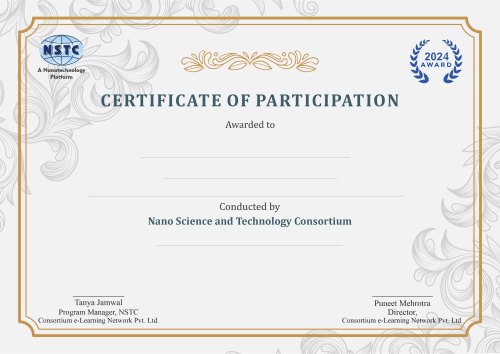
Get an e-Certificate of Participation!
Intended For :
- Doctoral Scholars & Researchers: PhD candidates seeking to integrate computational workflows into their molecular research.
- Postdoctoral Fellows: Early-career scientists aiming to enhance their data-driven publication profile.
- University Faculty: Professors and HODs interested in modern bioinformatics pedagogy and tool mastery.
- Industry Scientists: R&D professionals from the Biotechnology and Pharmaceutical sectors transitioning to genomic-driven discovery.
- Postgraduate Students: Final-year PG students looking for specialized research-grade exposure beyond standard curricula.
Career Supporting Skills
Program Outcomes
By the end of this workshop, participants will be able to:
- Explain mechanisms of plasmid-mediated gene transfer
- Perform bacterial transformation and conjugation experiments
- Use antibiotic markers for screening recombinant bacteria
- Calculate transformation and conjugation efficiency
- Interpret results using colony counts and selection plates
- Understand the role of plasmids in antibiotic resistance spread