
New Year Offer End Date: 30th April 2024

Program
Maritime Fuel Nexus: Green Ammonia, Bio-Methanol, and Liquid Hydrogen
Powering the Future of Sustainable Shipping
Skills you will gain:
About Program:
The Maritime Fuel Nexus: Green Ammonia, Bio-Methanol, and Liquid Hydrogen is an international workshop designed to explore the next generation of sustainable marine fuels driving the global energy transition. As the maritime sector moves toward net-zero emissions under IMO decarbonization targets, innovative fuel alternatives are becoming critical to the future of shipping.
Aim: To provide a comprehensive understanding of next-generation maritime fuels—Green Ammonia, Bio-Methanol, and Liquid Hydrogen.
Program Objectives:
- Understand the fundamentals of Green Ammonia, Bio-Methanol, and Liquid Hydrogen.
- Analyze emissions, lifecycle impact, and sustainability metrics.
- Apply fuel simulation and combustion modeling tools.
- Evaluate techno-economic feasibility and infrastructure requirements.
- Interpret IMO regulations, safety standards, and policy frameworks.
- Identify research, industry, and innovation opportunities in green maritime fuels.
What you will learn?
Day 1: Introduction to Sustainable Maritime Fuels
- Overview of maritime energy transition and decarbonization goals.
- Green Ammonia fundamentals: production, storage, and properties.
- Lifecycle and emission comparison with conventional fuels.
- Policy, environmental, and safety considerations.
- Hands-on: Model ammonia combustion, emissions, and energy efficiency.
Day 2: Bio-Methanol & Liquid Hydrogen
- Bio-Methanol as marine fuel: synthesis, engine compatibility, performance.
- Liquid Hydrogen: storage, cryogenics, and fuel cell integration.
- Comparative emission reduction analysis across fuels.
- Real-world adoption case studies in shipping.
- Hands-on: Blend fuels, calculate emissions, and optimize efficiency.
Day 3: Integration, Sustainability & Future Roadmap
- Comparative analysis of fuels: cost, lifecycle, and feasibility.
- Regulatory frameworks, IMO policies, and carbon credit mechanisms.
- Industry adoption challenges and investment strategies.
- Career pathways, research prospects, and startup opportunities.
- Hands-on: Model fuel transition scenarios, emissions, and ROI.
Mentor Profile
Fee Plan
INR 1999 /- OR USD 50
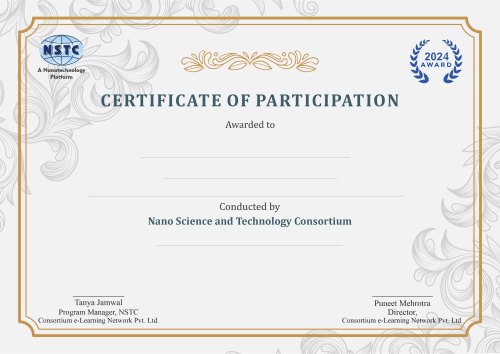
Get an e-Certificate of Participation!
Intended For :
- Doctoral Scholars & Researchers: PhD candidates seeking to integrate computational workflows into their molecular research.
- Postdoctoral Fellows: Early-career scientists aiming to enhance their data-driven publication profile.
- University Faculty: Professors and HODs interested in modern bioinformatics pedagogy and tool mastery.
- Industry Scientists: R&D professionals from the Biotechnology and Pharmaceutical sectors transitioning to genomic-driven discovery.
- Postgraduate Students: Final-year PG students looking for specialized research-grade exposure beyond standard curricula.
Career Supporting Skills
Program Outcomes
- Gain a clear understanding of next-generation maritime fuels and their applications.
- Perform basic emission modeling and fuel performance analysis.
- Compare lifecycle sustainability and cost-effectiveness of alternative fuels.
- Understand regulatory, safety, and policy requirements for adoption.
- Develop strategic insight for research, industry implementation, and innovation.