

AI for Climate-Smart Aquaculture
Empowering Sustainable Marine Food Systems with LCA and Climate-Smart Tools
Skills you will gain:
About Program:
This 3-day hands-on workshop provides aquaculture researchers, environmental engineers, and industry professionals with essential skills to apply LCA and climate-smart strategies for sustainable aquaculture and coastal food systems. Participants will learn how to assess environmental impacts, use digital tools to model climate adaptation, and align practices with the FAO’s sustainability goals. The workshop includes practical exercises with open-source tools like Google Colab to simulate, model, and optimize aquaculture systems for long-term sustainability.
Aim: To equip participants with the knowledge and tools to apply Life Cycle Assessment (LCA) and digital modeling to optimize coastal and marine food systems for sustainability, supporting the FAO’s “Blue Transformation” initiative.
Program Objectives:
- Understand the principles and methodologies of LCA in the context of aquaculture and marine food systems.
- Assess environmental impacts (carbon footprint, water use) of aquaculture systems through LCA.
- Learn climate-smart aquaculture strategies and tools for optimizing coastal food systems.
- Use digital modeling tools to simulate climate adaptation strategies in aquaculture.
- Apply LCA and digital models to assess sustainability and align with FAO’s “Blue Transformation” goals.
What you will learn?
📅 Day 1 — Introduction to Blue Bioeconomy and Aquaculture LCA
- Overview of the Blue Bioeconomy and its relevance to sustainable coastal and marine food systems
- Principles of Aquaculture LCA: methodologies, stages, and metrics
- Role of LCA in optimizing aquaculture systems for sustainability
- Hands-on:
- Introduce a simple LCA model for an aquaculture system and perform basic impact analysis (e.g., carbon footprint, water use)
- Deliverable: LCA report highlighting environmental impacts and initial sustainability indicators for an aquaculture system
📅 Day 2 — Climate-Smart Aquaculture: Metrics, Tools, and Digital Models
- Climate change challenges and opportunities in aquaculture and marine food systems
- Introduction to climate-smart aquaculture and adaptation strategies for coastal food systems
- Tools and digital models for climate impact analysis and optimization in aquaculture systems
- Hands-on:
- Use digital modeling tools to simulate climate-smart aquaculture strategies (e.g., impact of water temperature changes on fish growth)
- Deliverable: Simulation results showing the potential climate adaptation strategies for optimizing aquaculture practices
📅 Day 3 — Supporting FAO’s “Blue Transformation” with Metrics and Tools
- FAO’s “Blue Transformation” initiative and its objectives for sustainable coastal and marine food systems
- Robust metrics for monitoring progress toward sustainable marine food systems: carbon, water, biodiversity, and resource use
- Using LCA and digital models to assess sustainability and guide decision-making in line with the FAO’s goals
- Hands-on:
- Develop an LCA-based digital model to assess a coastal food system’s sustainability, focusing on key metrics aligned with FAO’s Blue Transformation goals
- Deliverable: Sustainability model with actionable recommendations for improving the environmental performance of a marine food system
Mentor Profile
Fee Plan
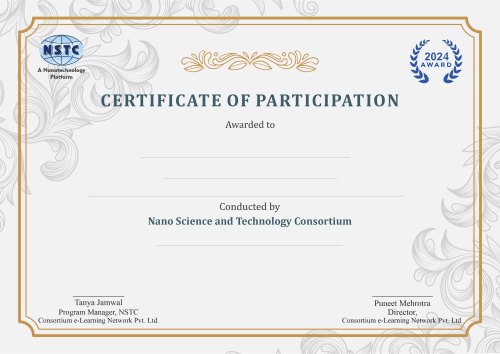
Get an e-Certificate of Participation!
Intended For :
- Aquaculture researchers, environmental engineers, sustainability experts, food system planners, policy makers, and industry professionals.
- Basic knowledge of sustainability concepts and environmental impact analysis is helpful but not required.
- No prior experience with LCA or digital modeling tools necessary (workshop provides full guidance)
Career Supporting Skills
Program Outcomes
- Conduct basic LCA on aquaculture systems to assess carbon footprint, water use, and other sustainability indicators.
- Simulate climate-smart aquaculture strategies and analyze their impact on fish growth and environmental sustainability.
- Develop LCA-based digital models to evaluate coastal food systems’ sustainability.
- Provide actionable recommendations for improving the environmental performance of marine food systems.