

AI for Smart Building Design & Energy-Efficient Systems
Transforming Building Design: AI for Energy Efficiency and Carbon Footprint Reduction
Skills you will gain:
About Program:
This workshop explores how Artificial Intelligence can revolutionize smart building design by optimizing energy use, automating systems, and reducing environmental impact. Participants will gain hands-on experience in developing AI-driven energy management systems, forecasting energy consumption, and integrating renewable energy solutions. Designed for professionals in architecture, construction, and energy management, the workshop provides practical tools for creating sustainable, energy-efficient buildings.
Aim: This workshop aims to explore AI’s role in designing smart, energy-efficient buildings by optimizing energy use, automating systems, and reducing environmental impact. Participants will gain hands-on experience in applying AI for energy management and integrating renewable energy solutions in building design.
Program Objectives:
-
Explore AI applications in designing energy-efficient smart buildings and optimizing building systems.
-
Develop AI models for energy consumption forecasting and optimization in buildings.
-
Learn to apply AI for reducing environmental impact and enhancing sustainability in building designs.
-
Gain practical skills in integrating renewable energy systems into smart buildings using AI.
-
Implement AI-driven energy management systems and automation solutions for smart buildings.
What you will learn?
📅 Day 1 – AI for Smart Building Design
- Introduction to AI applications in designing energy-efficient and sustainable buildings.
- Hands-on: Developing smart building designs using AI to optimize energy consumption (Google Colab).
- Energy Management Systems for Smart Buildings: AI-driven optimization of HVAC and lighting systems.
- Hands-on: Building AI-based energy management systems for smart buildings (Jupyter Notebook).
👉 Outcome: AI-driven smart building and energy management models + .ipynb.
📅 Day 2 – AI for Energy Consumption Forecasting & Environmental Impact Reduction
- Using machine learning models to predict and optimize energy consumption in buildings.
- Hands-on: Building energy consumption forecasting models (Google Colab).
- AI-based techniques to reduce the carbon footprint and environmental impact of buildings.
- Hands-on: Building AI models for environmental impact reduction in smart buildings (Jupyter Notebook).
👉 Outcome: Energy consumption and environmental impact reduction models + .ipynb.
📅 Day 3 – AI in Building Automation & Renewable Energy Integration
- Exploring how AI can automate and optimize building functions for energy efficiency and comfort.
- Hands-on: Implementing AI in Building Automation Systems (BAS) for energy optimization (Google Colab).
- Integrating renewable energy systems in smart buildings: AI for managing solar, wind, and other energy sources.
- Hands-on: Developing AI-driven renewable energy integration models for buildings (Jupyter Notebook).
👉 Outcome: AI-driven building automation and renewable energy integration models + .ipynb.
Mentor Profile
Fee Plan
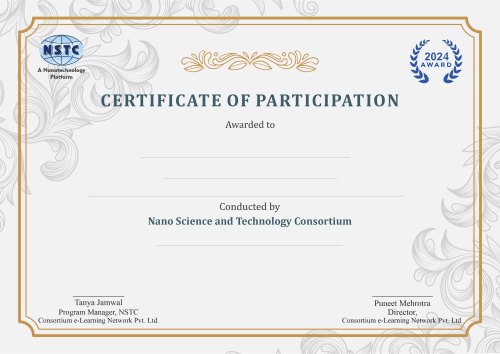
Get an e-Certificate of Participation!
Intended For :
-
Architects, urban planners, and construction professionals focused on smart building design and energy efficiency.
-
Engineers and energy management experts aiming to optimize energy use and reduce environmental impact.
-
Researchers, academics, and students in architecture, civil engineering, AI, and energy management.
-
Professionals looking to integrate AI into building automation and energy management systems.
-
Basic knowledge of AI concepts is recommended.
Career Supporting Skills
Program Outcomes
-
Develop AI models for designing energy-efficient smart buildings and optimizing building systems.
-
Gain hands-on experience in creating AI-driven energy management systems.
-
Learn to forecast and optimize energy consumption patterns using machine learning.
-
Apply AI to reduce environmental impact and improve building sustainability.
-
Build AI models for integrating renewable energy systems into smart buildings.