

AI-Driven Energy Solutions: Forecasting, Optimization, and Resilience Modeling for Smart Grids
Empowering the Future: AI-Driven Forecasting, Optimization, and Smart Grid Solutions for Renewable Energy
Skills you will gain:
About Program:
This workshop focuses on the application of Artificial Intelligence (AI) in renewable energy, specifically in solar and wind forecasting, optimization of energy systems, and the development of smart grids and microgrids. Participants will learn how AI can enhance the efficiency, reliability, and sustainability of decentralized energy systems, enabling smarter energy management and contributing to the transition towards clean energy solutions. The session will cover the latest AI technologies and their practical integration into energy infrastructure.
Aim: The aim of this workshop is to explore AI’s role in forecasting renewable energy production, optimizing energy distribution, and enhancing smart grids, microgrids, and decentralized systems for a sustainable and efficient energy future.
Program Objectives:
- To introduce AI-based approaches for accurate solar and wind energy forecasting using machine learning and deep learning techniques.
- To explore time-series analysis methods (ARIMA, LSTM) for predicting renewable energy production and demand.
- To teach optimization techniques for the efficient operation of smart grids and microgrids in decentralized energy systems.
- To provide hands-on experience with AI tools for optimizing energy management in renewable energy systems.
- To discuss resilience modeling for enhancing the stability and reliability of smart grids under climate variability.
- To build climate-resilient energy systems through AI-driven solutions for adaptive energy distribution.
What you will learn?
📅 Day 1 – Energy Forecasting with Machine Learning
- Apply regression models and deep learning techniques for solar and wind energy forecasting.
- Hands-on: Developing forecasting models for solar/wind energy using historical data and machine learning algorithms (Google Colab).
- Time-Series Analysis for Renewable Energy: Implement time-series models like ARIMA and LSTM for predicting energy production.
- Hands-on: Building time-series models for renewable energy forecasting (Jupyter Notebook).
👉 Outcome: Solar/wind energy forecasting models + .ipynb.
📅 Day 2 – Optimization of Smart Grids & Microgrids
- Utilize AI for optimizing the operation and energy distribution in smart grids and microgrids.
- Hands-on: Implementing optimization algorithms for energy flow in microgrids and smart grids (Google Colab).
- AI for Energy Distribution and Management: Integrating renewable energy sources into decentralized systems using machine learning and optimization techniques.
- Hands-on: Energy management optimization in decentralized energy systems (Jupyter Notebook).
👉 Outcome: Optimized energy management models for smart grids + .ipynb.
📅 Day 3 – Resilience Modeling for Smart Grids & Climate-Resilient Energy Systems
- Apply AI to increase the resilience of energy systems in the face of climate change and other external factors.
- Hands-on: Modeling resilience in smart grid systems to enhance reliability under various scenarios (Google Colab).
- AI for Climate-Resilient Energy Systems: Develop models that adapt energy distribution to climate-related challenges.
- Hands-on: Building climate-resilient energy systems using AI tools (Jupyter Notebook).
👉 Outcome: Resilience models for climate-adaptive energy systems + .ipynb.
Mentor Profile
Fee Plan
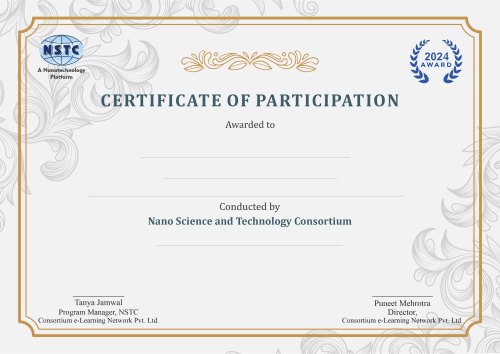
Get an e-Certificate of Participation!
Intended For :
- Professionals and researchers working in the fields of renewable energy, AI, and energy systems.
- Engineers, data scientists, and energy managers interested in applying AI to energy forecasting, optimization, and smart grid management.
- Academics and students with a background in electrical engineering, renewable energy, computer science, or related fields.
- Individuals with basic knowledge of machine learning and data analysis are encouraged to participate.
- Familiarity with Python and data analysis tools (such as Google Colab and Jupyter Notebook) is beneficial but not mandatory.
Career Supporting Skills
Program Outcomes
- Develop proficiency in AI-driven forecasting models for solar and wind energy using machine learning algorithms.
- Gain hands-on experience in building time-series models (ARIMA and LSTM) for renewable energy forecasting.
- Learn optimization techniques for smart grids and microgrids to efficiently manage energy flow.
- Understand the integration of renewable energy sources into decentralized systems using AI and optimization strategies.
- Acquire skills in resilience modeling to enhance the reliability of smart grids against climate-related challenges.
- Build climate-resilient energy systems by developing adaptive AI models for energy distribution.