

Next-Gen Research Writing: AI for Effective Scientific Manuscripts
Write Smarter, Publish Faster: AI for the Future of Scientific Writing
Skills you will gain:
About Program:
Scientific writing remains one of the biggest hurdles for early-career researchers, often requiring substantial time and effort to refine clarity, organization, and academic rigor. With the rise of AI-powered writing assistants, researchers can accelerate the manuscript preparation process while maintaining scientific integrity and precision.
This workshop introduces participants to AI-based tools for literature review, paraphrasing, summarization, figure/table generation, grammar enhancement, and journal-specific formatting. Real demonstrations will show how AI can help create strong introductions, articulate methods clearly, structure results, and write impactful discussions and conclusions—without compromising originality or ethical standards.
Aim:
This workshop aims to empower researchers with AI-driven tools and strategies to write high-quality scientific manuscripts efficiently and effectively. Participants will learn how AI can support literature review, structuring papers, improving clarity, enhancing academic language, and ensuring journal-ready formatting. The workshop focuses on ethical, reproducible use of AI for drafting, editing, and optimizing manuscripts for publication in high-impact journals.
Program Objectives:
- Understand how AI tools enhance scientific writing workflows.
- Learn AI-assisted literature review, summarization, and referencing.
- Apply AI to improve clarity, structure, and academic tone.
- Use AI tools ethically following publication, plagiarism, and authorship guidelines.
- Prepare a near-publication-ready manuscript section during the workshop.
What you will learn?
Day 1: Mastering Manuscript Anatomy & AI Writing Tools
- Understanding the Anatomy of a Scientific Manuscript (IMRaD Format)
- Hands-on with AI Writing Tools: ChatGPT, ResearchPal, SciSpace, Jennie
- AI Detector & Humanizer Tools: GPTZero, Undetectable AI, Scipace
- Paraphrasing & Editing Tools: QuillBot, Grammarly, Paperpal, Trinka
Outcome: Learn to generate, refine, and humanize manuscript content ethically.
Day 2: Literature Search, Referencing, and New AI Tools
- AI for Literature Review: Scispace, Elicit, ResearchRabbit, Litmaps
- Citation & Referencing Tools: Mendeley, Zotero, Scribbr
- Exploring new AI innovations for research visuals & summaries
- Bonus : Latest tools to enhance research writing
Outcome: Gain complete command over reference management and AI-assisted research discovery.
Mentor Profile
Fee Plan
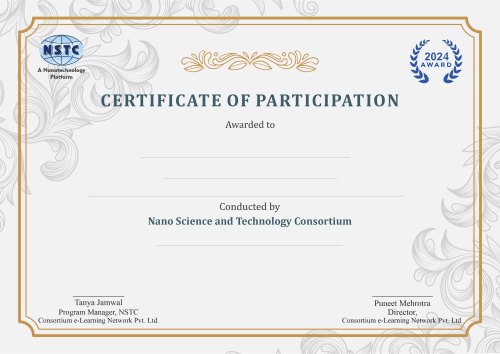
Get an e-Certificate of Participation!
Intended For :
- Undergraduate/Postgraduate degree in Life Sciences, Engineering, Medicine, Environmental Science, or related fields.
- Researchers and Academicians preparing manuscripts, theses, or review articles.
- Data scientists and AI enthusiasts interested in scientific communication.
- Individuals motivated to enhance scientific writing skills using modern digital tools.
Career Supporting Skills
Program Outcomes
- Ability to use AI tools for drafting and polishing research manuscripts.
- Enhanced skills in structuring introductions, methods, results, and discussion sections.
- Competence in AI-based summarization, paraphrasing, and clarity improvement.
- Knowledge of plagiarism checks, ethical AI use, and journal compliance.
- Practical output: a refined manuscript section created during the workshop.