

ML Models for Air Quality Prediction and Health Impact
A Hands-On Workshop on Forecasting Air Pollution and Assessing Its Health Consequences Using Machine Learning
Skills you will gain:
About Program:
“ML Models for Air Quality Prediction and Health Impact” is a 3-days practical workshop that teaches how to build, evaluate, and deploy machine learning models to forecast air pollution and assess exposure-related health outcomes such as respiratory and cardiovascular risks.
Participants will explore data preprocessing, feature engineering, time series modeling, deep learning approaches, and health risk estimation frameworks. Case studies from urban monitoring systems, satellite data sources, and health impact databases will be integrated for hands-on experience.
Aim: To train participants in designing and applying machine learning (ML) models for predicting air quality levels and quantifying their health impact, supporting policy, urban planning, and early intervention strategies.
Program Objectives:
- Enable data-driven policymaking for air quality management
- Equip professionals to link AI outputs to actionable health insights
- Support interdisciplinary collaboration between data science, environment, and health
- Drive awareness and advocacy through predictive intelligence tools
- Build capacity for integrating real-time environmental sensing and analytics
What you will learn?
Day 1: Foundations of Air Quality & Data Acquisition
- Air Quality Indices (AQI, PM2.5, PM10, NO₂, O₃) and Health Guidelines
- Data Sources: OpenAQ, EPA, CPCB, WHO, Sentinel-5P
- Exploratory Data Analysis and Spatial-Temporal Trends
Day 2: Machine Learning for Air Quality Forecasting
- Time Series Forecasting: Linear Regression, ARIMA, XGBoost, LSTM
- Spatiotemporal ML Models and Feature Engineering
- Model Evaluation (RMSE, MAE, R², Confusion Matrix)
- Tools: Python, Scikit-learn, Prophet, TensorFlow
Day 3: Health Impact Estimation & Deployment
- Quantifying Short- and Long-Term Health Risks
- Exposure Mapping and Population Vulnerability
- Linking ML Outputs to Public Health Metrics (DALY, Mortality)
- Visualization & Dashboarding (Streamlit, Power BI, Dash)
Mentor Profile
Fee Plan
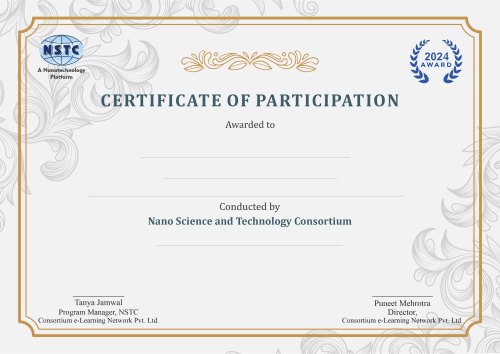
Get an e-Certificate of Participation!
Intended For :
- Environmental engineers and urban data analysts
- Health data scientists and epidemiologists
- AI/ML professionals working in climate and environment
- Government air quality officers and public health planners
- Graduate students and researchers in environmental health or data science
Career Supporting Skills
Program Outcomes
- Build predictive ML models for air quality and exposure forecasting
- Quantify and visualize public health impacts from pollution
- Analyze and interpret air quality datasets using AI tools
- Deploy dashboards and data products for public awareness
- Earn a certificate in “ML for Air Quality and Health Impact Prediction”