

Predictive Analytics for Climate-Sensitive Sectors
A Workshop on Leveraging Data-Driven Forecasting for Resilience, Risk, and Resource Optimization
Skills you will gain:
About Program:
This intensive international workshop is designed to develop practical skills in predictive analytics applied to climate-sensitive sectors including agriculture, water, energy, and public health. Through interactive sessions using real-world datasets and freely available tools, participants will learn to build predictive models, visualize environmental risks, and support climate-resilient decision-making.
Aim: To equip participants with the analytical tools, techniques, and models required to forecast climate-related risks and opportunities in critical sectors, enabling informed planning, sustainable resource management, and policy resilience.
Program Objectives:
- Empower professionals with AI and statistical tools to manage climate impacts
- Bridge the gap between raw climate data and actionable planning
- Enhance data-informed decision-making in national development plans
- Promote sectoral resilience through proactive prediction and simulation
- Foster interdisciplinary collaboration between climate science and AI
What you will learn?
-
Day 1: Climate Data and Predictive Analytics Foundations
-
Global overview of climate-sensitive sectors and their vulnerabilities
-
Introduction to predictive analytics: regression, classification, time series forecasting
-
Understanding and accessing open climate data sources (NASA EarthData, NOAA, Copernicus, IPCC)
-
Data preparation techniques: missing values, temporal formatting, spatial tagging
-
Visualizing climate trends using Python and Jupyter Notebooks
🛠️ Hands-on Tools: Python (Pandas, NumPy, Plotly), Jupyter Notebook
Day 2: Predictive Modeling and Geospatial Analysis
-
Machine learning techniques for climate data: ARIMA, Random Forest, XGBoost
-
Predictive modeling for rainfall, temperature, and crop yield
-
Introduction to geospatial data: raster vs vector, spatial layers, map overlays
-
Climate zoning and risk area detection (e.g., drought, floods)
-
Model development using real datasets, including training, testing, and validation
🛠️ Hands-on Tools: Scikit-learn, GeoPandas, Folium, QGIS, Google Earth Engine
Day 3: Applications, Dashboards, and Capstone Projects
-
Review of global case studies: agriculture forecasting, hydrology, health risk models
-
Building a full predictive pipeline: data ingestion → modeling → evaluation → visualization
-
Model evaluation metrics: MAE, RMSE, R², bias assessment
-
Designing interactive climate dashboards using Streamlit
🛠️ Hands-on Tools: Streamlit, GitHub, Python (Seaborn, Altair, Matplotlib)
-
Mentor Profile
Fee Plan
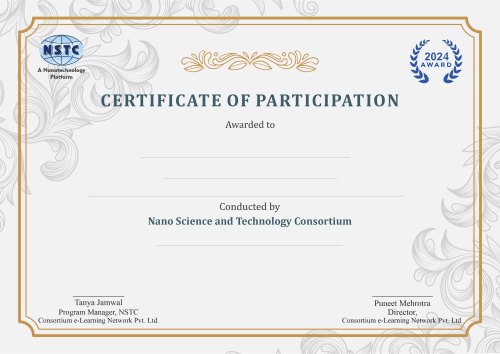
Get an e-Certificate of Participation!
Intended For :
- Climate scientists and environmental engineers
- Professionals from agriculture, energy, water, or public health sectors
- Data analysts and AI/ML practitioners in sustainability domains
- Government and policy planners
- Postgraduate students and researchers in climate and data sciences
Career Supporting Skills
Program Outcomes
- Build predictive models using real-world climate and sectoral data
- Use data science to anticipate sector-specific risks and responses
- Develop early warning indicators and forecasting dashboards
- Gain fluency in climate analytics tools, platforms, and ethical practices
- Receive a certificate in “Predictive Analytics for Climate-Sensitive Sectors”