

Red Teaming vs. Purple Teaming in Cyber Defense Strategy
International Workshop on Offensive and Collaborative Security Testing for Organizational Resilience
Skills you will gain:
About Program:
Red Teaming vs. Purple Teaming in Cyber Defense Strategy is a hands-on, simulation-driven workshop designed to teach participants how to assess, enhance, and operationalize cybersecurity resilience using adversarial testing frameworks.
1. Red Teaming focuses on simulating real-world cyberattacks to test systems, people, and processes.
2. Purple Teaming blends offensive (Red) and defensive (Blue) capabilities for continuous feedback and collaborative defense improvement.
Participants will use tools and platforms such as Kali Linux, Metasploit, MITRE ATT&CK, ELK stack, and SIEM tools, with lab-based scenarios including phishing simulations, lateral movement, threat detection, and incident response coordination.
Aim: To provide participants with a strategic and practical understanding of Red Teaming and Purple Teaming methodologies in cybersecurity, focusing on how offensive tactics and collaborative defense enhance overall organizational threat preparedness.
Program Objectives:
-
Train participants in advanced adversarial security techniques
-
Promote strategic alignment between offensive and defensive security teams
-
Foster a culture of collaboration and continuous improvement in cyber defense
-
Enhance threat detection, incident response, and overall security posture
-
Support real-world readiness against APTs and sophisticated threat actors
What you will learn?
Day 1: Foundations of Red Teaming and Purple Teaming
Objective: Explore Red Teaming methodologies, tools, and practical execution.
Red Team Planning and Scoping
-
Defining objectives and rules of engagement
-
Target selection and reconnaissance techniques
-
Legal and ethical considerations
Attack Simulation Techniques
-
Social engineering: Phishing, pretexting
-
Network attacks: Exploitation, privilege escalation
-
Physical security breaches
Hands-On Lab: Red Team Simulation
-
Set up a controlled environment (e.g., Kali Linux, Metasploit)
-
Conduct a simulated attack: Recon, exploit, and persistence
-
Debrief: Discuss findings and challenges
Red Team Reporting
-
Structuring findings: Vulnerabilities, impact, recommendations
-
Communicating with stakeholders
Case Study: Analyzing a Red Team Report
Day 2: Red Teaming and Blue Teaming Collaboration
Objective: Develop skills for collaborative Purple Teaming to enhance detection and response.
Blue Team Fundamentals
-
Defensive strategies: Monitoring, detection, response
-
Tools: SIEM, EDR, IDS/IPS
-
Importance of threat intelligence
Purple Teaming Workflow
-
Collaborative process: Red Team attacks, Blue Team defends
-
Iterative improvement: Feedback loops, metrics
-
Frameworks: MITRE ATT&CK for collaboration
Hands-On Lab: Purple Team Exercise
-
Simulate a breach: Red Team attacks, Blue Team responds
-
Analyze logs, improve detection rules
-
Collaborative debrief: Identify gaps and improvements
Day 3: Red Teaming vs. Purple Teaming: A Comparative Analysis
Objective: Compare Red and Purple Teaming, and integrate them into a cohesive cyber defense strategy.
Red Teaming vs. Purple Teaming: A Comparative Analysis
-
Strengths and weaknesses of each
-
When to use Red Teaming vs. Purple Teaming
-
Aligning with organizational goals
Integrating Red and Purple Teaming
-
Building a balanced cyber defense strategy
-
Resource allocation and team coordination
Case Study: Hybrid Red-Purple Team Success
Day 4: Red vs. Purple Teaming and Strategic Integration
Objective: Explore the integration of Red and Purple Teaming methodologies into a unified defense framework.
Capstone Exercise: Full-Scale Simulation
-
Scenario: Complex attack with multiple vectors
-
Participants split into Red, Blue, and Purple Teams
-
Objective: Execute attack, defend, and collaborate to improve defenses
-
Debrief: Discuss outcomes, lessons learned
Course Wrap-Up and Q&A
-
Review key concepts
-
Discuss real-world applications
-
Certification and next steps
Mentor Profile
Fee Plan
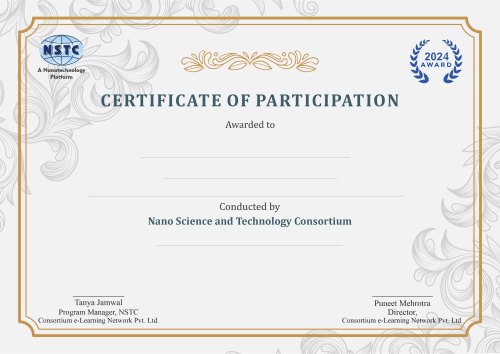
Get an e-Certificate of Participation!
Intended For :
-
Cybersecurity professionals and analysts
-
Security operations center (SOC) teams
-
Ethical hackers and penetration testers
-
Cybersecurity students and researchers
-
Risk and compliance officers
Career Supporting Skills
Program Outcomes
-
Understand the differences, use cases, and benefits of Red and Purple Teaming
-
Gain hands-on experience with offensive and defensive security tools
-
Learn to design a collaborative cyber defense strategy
-
Develop the ability to simulate and respond to real-world attack scenarios
-
Earn a professional certificate in adversarial simulation strategies