
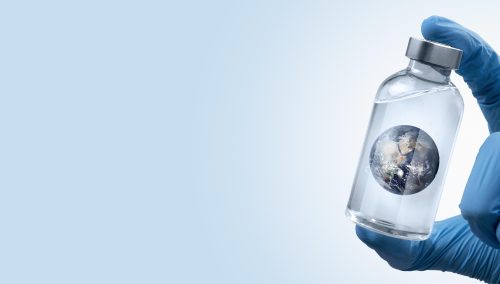
Nano Solutions for Microplastic Crisis
Nano Solutions for a Sustainable Future: Tackling the Microplastic Crisis
Skills you will gain:
About Program:
Microplastics have emerged as a significant global environmental threat, affecting ecosystems, human health, and biodiversity. This workshop brings together experts in nanotechnology, environmental science, and sustainability to discuss the various aspects of microplastic detection, characterization, and removal. Through interactive sessions, participants will delve into topics such as microplastic toxicity in aquatic ecosystems, innovative nanomaterial-based solutions for removal, and strategies for mitigating microplastic contamination.
By participating, attendees will gain exposure to the latest research, tools, and techniques used to combat the microplastic crisis. The workshop also aims to foster a collaborative environment where professionals and researchers from various domains can exchange knowledge and ideas on future research and solutions.
Aim: This workshop on “Nano Solutions for a Microplastic Crisis” will provide in-depth insights into microplastic detection, analysis, and innovative removal techniques. Participants will learn about the impact of microplastics on ecosystems and human health while exploring nano-based solutions for effective mitigation.
Program Objectives:
- Understand the various sources and types of microplastics.
- Learn advanced detection and isolation techniques for microplastics.
- Assess the environmental and health impacts of microplastics.
- Explore innovative nanomaterials for microplastic removal.
- Discuss the future of microplastic management and solutions.
What you will learn?
Day 1 – Comprehensive Foundations of Microplastics: Detection, Analysis, and Impacts
- Introduction to Microplastic Pollution, Sources, types, and environmental spread
- Real-world case studies of microplastic contamination (marine, soil, air)
- Detection & Sampling Methods, Water, soil, and atmospheric microplastics
- Advanced detection techniques: Microscopy (SEM, TEM), spectroscopy (FTIR, Raman), filtration & density separation
- Virtual demo of microplastic isolation and FTIR analysis
- Marine & terrestrial impacts: Biodiversity loss, ecological disruption
- Food chain transfer and presence in drinking water
- Health concerns: Endocrine disruption, inflammation, chronic risks
- Trophic transfer of microplastics in aquatic food webs
- Toxicological implications of microplastics
Day 2 – Solutions & Strategies for Microplastics in Ecosystems
- Microplastic Removal Technologies
- Nanomaterials for microplastic capture and degradation
- Filtration technologies, photocatalysis, and biodegradation
- Industry case studies of successful nano-remediation
- Circular Economy & Sustainability
- Sustainable microplastic management strategies
- Innovations in biodegradable polymers and alternatives
- AI-based detection methods for microplastics
Day 3 – Regulatory, Toxicity, and Future Innovation Strategies
- Toxicological Mechanisms & Regulatory Frameworks
- EU, US, and Asia regulations for microplastics
- Risk assessments and toxicological testing
- Industry Case Studies & Innovations
- Real-world examples of industry applications and successes
- Future strategies & Interactive Sessions: Research directions and technological advancements
- Brainstorming session on actionable strategies for policy, corporate sustainability, and future research
Mentor Profile
Fee Plan
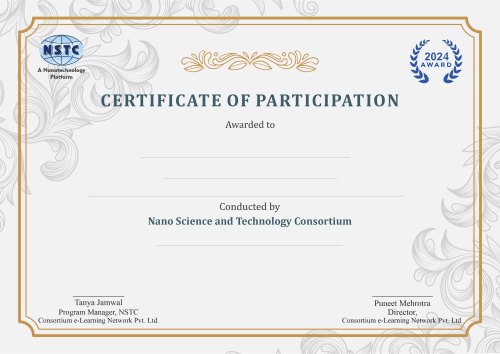
Get an e-Certificate of Participation!
Intended For :
- Undergraduate degree in Environmental Science, Chemical Engineering, or related fields.
- Professionals in environmental sustainability, waste management, and industrial research.
- Individuals with a keen interest in environmental issues and innovative solutions.
Career Supporting Skills
Program Outcomes
- Understanding of microplastic sources and detection techniques.
- Insight into the environmental and human health impact of microplastics.
- Familiarity with nanomaterials for pollution removal.
- Knowledge of regulatory frameworks for microplastic management.
- Ability to contribute to microplastic removal strategies using innovative solutions.