
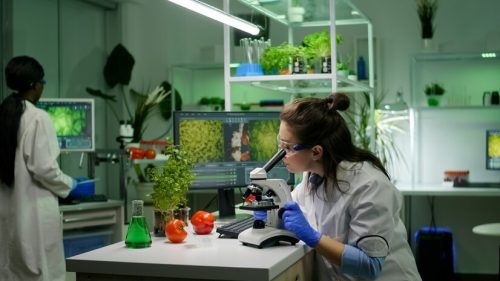
Applied Nanobiotechnology for Sustainable Biochemicals and Biofuels
Shaping the Future: Nanobiotechnology for Next-Gen Biochemicals, Biofuels, and Biomaterials
Skills you will gain:
About Program:
Join our workshop to explore the revolutionary field of nanobiotechnology, where we’ll delve into advanced techniques for producing biochemicals, biofuels, and biomaterials, fostering sustainable industry practices and opening new pathways in green technology and environmental stewardship.
Aim: Empower industry advancements by harnessing nanobiotechnology for efficient, sustainable production of biochemicals and biofuels from biomass.
Program Objectives:
- Introduce participants to the fundamentals of nanobiotechnology and its applications.
- Explore the use of nanotechnology in the production of biochemicals, biofuels, and biomaterials.
- Develop practical skills in handling and manipulating nano-materials and nano-instruments.
- Enhance understanding of the safety and regulatory aspects of nanobiotechnology.
- Foster critical thinking and problem-solving skills in a nanobiotechnology context.
- Encourage innovation and creativity in developing new nanobiotech solutions.
- Prepare participants for advanced studies or careers in nanobiotechnology.
- Promote collaboration and networking among professionals and academics in the field.
What you will learn?
Day 1: Nanobiotechnology in Biochemical Production
-
Introduction to Nanobiotechnology: New Insights
-
Fundamentals and recent advancements
-
Role in industrial biotechnology
-
-
Applications in Biochemical Production
-
Strategies and case studies
-
-
Production of Industrial Biochemicals via Nanobiotech
-
Glucose: Enzymatic pathways and nanoscale catalysis
-
Levulinic Acid: Biomass conversion with nanomaterials
-
Furfural: Hemicellulose-derived nanocatalytic processes
-
Hydroxymethylfurfural (HMF): Green synthesis approaches
-
Furan Dicarboxylic Acid (FDCA): Polymer precursor from biomass
-
Day 2: Nanobiotechnology in Biofuel Generation
-
Overview: Nanobiotechnology for Renewable Energy
-
Sustainable alternatives to fossil fuels
-
-
Targeted Biofuel Production
-
Formic Acid: Electrochemical and biocatalytic conversions
-
Biodiesel: Nano-enhanced enzymatic transesterification
-
γ-Valerolactone (GVL): Bio-based solvents and fuel additives
-
Hydrogen: Photocatalytic and microbial nanotechnology methods
-
Day 3: Nanobiotechnology for Biomaterials and Bioplastics
-
Production of Functional Biomaterials
-
Bioengineering for structural and functional diversity
-
-
Key Biomaterials from Biomass
-
1,3-Propanediol: Nanobioprocesses for high-purity production
-
Biodegradable Plastics: Polylactic acid (PLA), PHA, and nano-additives
-
Lignin Valorization: Nano-enabled lignin transformation into advanced materials
-
Mentor Profile
Fee Plan
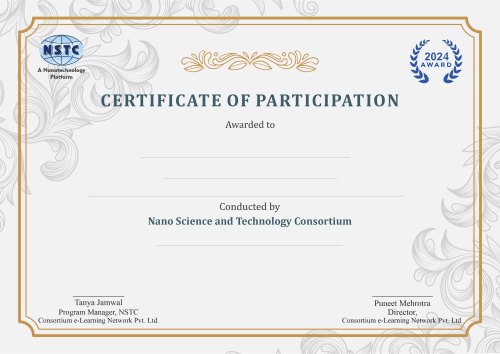
Get an e-Certificate of Participation!
Intended For :
- Undergraduate or graduate degree in Biotechnology, Chemical Engineering, or related scientific disciplines.
- Industry professionals currently working in biochemical, biofuel, or biomaterial production.
- Researchers with a focus on nanotechnology or its application in industrial processes.
- Academics specializing in biotechnology, nano-engineering, or sustainable manufacturing.
- Students currently enrolled in relevant postgraduate programs looking to enhance their practical knowledge.
- Technical staff from research labs or industrial facilities seeking to upgrade their skills.
- Entrepreneurs interested in exploring nanobiotechnology for new business opportunities.
- Policy makers or regulators focused on environmental sustainability and industrial innovations.
Career Supporting Skills
Program Outcomes
- Mastery of fundamental concepts in nanobiotechnology.
- Ability to apply nanotechnology techniques to biochemical, biofuel, and biomaterial production.
- Skills to innovate and improve product efficiency using nanoscale materials.
- Enhanced understanding of the environmental impacts of nanobiotechnological applications.
- Proficiency in using specialized equipment and methodologies specific to nanobiotechnology.
- Improved problem-solving skills in interdisciplinary contexts.
- Preparation for advanced research or career opportunities in nanobiotechnology industries.