
Systems Vaccinology: Omics and Computational Approaches
Unlocking the Future of Vaccines through Omics and Computational Insights
Skills you will gain:
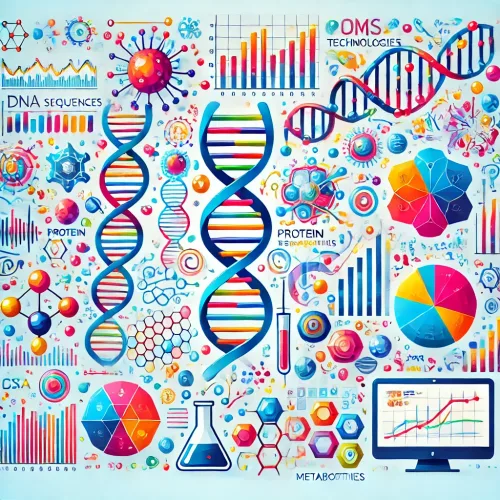
The Systems Vaccinology: Omics and Computational Approaches program is designed to bridge the gap between traditional vaccinology and cutting-edge omics technologies. This interdisciplinary program offers an in-depth exploration of how genomics, transcriptomics, proteomics, and metabolomics can be leveraged to gain a holistic view of the immune response to vaccines. Participants will engage with computational tools and bioinformatics approaches to analyze and interpret complex biological data, enabling them to contribute to the next generation of vaccine development.
Through a combination of lectures, hands-on workshops, and case studies, participants will gain practical experience in using state-of-the-art computational methods to analyze omics data. They will learn to integrate data from different omics layers to construct comprehensive models of immune responses, identify biomarkers of vaccine efficacy and safety, and predict population-level vaccine outcomes. This program is ideal for researchers, clinicians, and professionals seeking to expand their knowledge and skills in the rapidly evolving field of systems vaccinology.
Aim: The aim of the “Systems Vaccinology: Omics and Computational Approaches” program is to provide participants with a comprehensive understanding of how omics technologies and computational methods can be applied to vaccine research and development. Through this program, participants will learn to integrate multi-omics data to uncover new insights into vaccine responses, design novel vaccines, and predict vaccine efficacy and safety.
Program Objectives:
- Understand the principles of systems vaccinology and its applications.
- Learn to integrate multi-omics data to study immune responses.
- Gain proficiency in using computational tools for omics data analysis.
- Identify biomarkers for vaccine efficacy and safety.
- Develop predictive models for vaccine outcomes.
What you will learn?
Week-wise Program Structure
Week 1: Introduction to Systems Vaccinology
-
Overview of systems biology in vaccine science
-
Multiscale integration: molecular to population level
-
High-throughput biology and immune system modeling
-
Importance in next-gen vaccine design and evaluation
Week 2: Omics Approaches in Vaccinology
-
Transcriptomics, proteomics, metabolomics in vaccine response
-
Single-cell sequencing for immune profiling
-
Integrative omics data platforms
-
Biomarker discovery for vaccine efficacy and safety
Week 3: Computational Modeling and Predictive Analytics
-
Network analysis of immune responses
-
Machine learning for vaccine response prediction
-
Agent-based models and simulation of immune dynamics
-
Case studies: Flu, COVID-19, TB vaccine modeling
Week 4: Data Integration, Visualization, and AI Tools
-
Integrating omics, clinical, and population datasets
-
Tools: Cytoscape, NetBioV, Python/R for immunoinformatics
-
AI in antigen discovery and epitope mapping
-
Translational challenges and future of digital vaccinology
Intended For :
- Undergraduate degree in Biotechnology, Bioinformatics, Immunology, or related fields.
- Professionals in the pharmaceutical or biotech industries.
- Researchers and clinicians involved in vaccine research and development.
- Individuals with a keen interest in computational biology and omics technologies.
Career Supporting Skills