
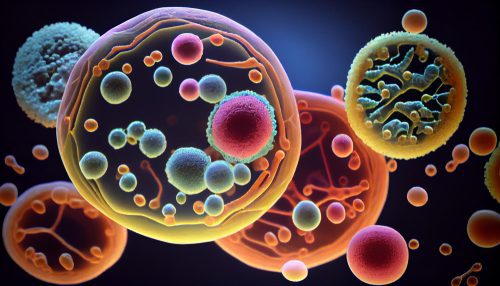
Stem Cell Technologies and Regenerative Medicine
Shaping the Future of Healing with Stem Cells.
Skills you will gain:
This comprehensive program covers the fundamental principles of stem cell biology, technologies, and their applications in regenerative medicine. Designed for professionals seeking to enhance their expertise.
Aim: The aim is to equip participants with cutting-edge knowledge in stem cell technologies and their applications in regenerative medicine, enabling advancements in medical treatments and therapeutic strategies.
Program Objectives:
- Understand the basic biology and types of stem cells, including embryonic, adult, and induced pluripotent stem cells.
- Explore the ethical, legal, and regulatory frameworks guiding stem cell research and therapy.
- Gain knowledge of stem cell culture, differentiation, and characterization techniques.
- Discuss case studies and current research breakthroughs in regenerative medicine.
- Develop skills to apply stem cell technologies in clinical settings for therapeutic purposes.
What you will learn?
Week 1: Stem Cell Fundamentals and Sources
-
Types of stem cells: embryonic, adult, iPSCs, and MSCs
-
Isolation, culture, and expansion techniques
-
Stem cell niches and signaling pathways
-
Ethical, legal, and scientific frameworks
Week 2: Cellular Engineering and Differentiation
-
Lineage-specific differentiation protocols
-
Biomaterials and scaffold-based support systems
-
Organoids and tissue engineering approaches
-
Role of CRISPR and gene editing in regenerative therapies
Week 3: Regenerative Applications and Translational Medicine
-
Stem cell therapy in neurological, cardiovascular, and musculoskeletal disorders
-
Cell-based delivery systems and 3D bioprinting
-
Clinical trials and safety validation pipelines
-
Deep tech diagnostics for real-time cell monitoring
Week 4: Regulatory, Commercial, and Ethical Dimensions
-
Regulatory bodies and GMP for stem cell therapeutics
-
Commercialization strategies and startup case studies
-
Public engagement and ethical use in regenerative medicine
-
Future trends: AI-guided regenerative protocols and personalized medicine
Intended For :
- Professionals in the fields of biotechnology, medicine, pharmaceutical sciences, and related disciplines.
- Researchers and academicians interested in expanding their knowledge and research scope in stem cell technologies.
- Graduate students in biological or medical sciences.
Career Supporting Skills