
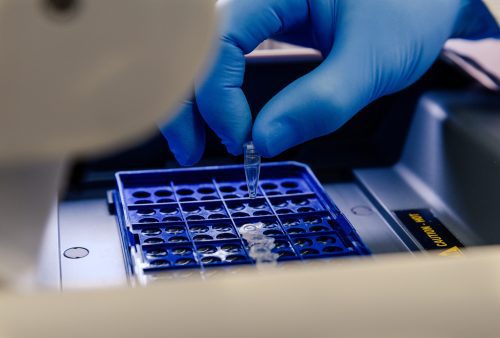
Genome Editing Technologies: Principles and Applications
Genome Editing Technologies,Pros and Cons
Skills you will gain:
The “Genome Editing Technologies: Principles and Applications” program offers a comprehensive exploration of the tools and methods used to modify genetic material. Throughout this one-month intensive program, participants will delve into the science behind genome editing, including CRISPR, TALENs, and ZFNs, and their applications in treating genetic disorders, enhancing agricultural productivity, and developing new therapeutic approaches.
Aim: This program is designed to equip participants with a robust understanding of genome editing technologies and their transformative impact across various sectors. By exploring both the principles and diverse applications of these technologies, students will be prepared to lead and innovate in the dynamic fields of genetics, agriculture, and medicine.
Program Objectives:
- Master the foundational principles of genome editing technologies.
- Apply genome editing tools in various biological and medical contexts.
- Evaluate the ethical, legal, and social issues associated with genome editing.
- Develop critical thinking and problem-solving skills in genetic manipulation.
- Prepare for advanced research or career opportunities in genetic technologies.
What you will learn?
Week 1: Fundamentals of Genome Editing Technologies
-
Introduction to gene structure and regulation
-
Evolution of genome editing: ZFNs, TALENs, CRISPR
-
Mechanisms of site-specific DNA cleavage and repair
-
NHEJ vs HDR: pathway selection and outcomes
Week 2: CRISPR and Beyond – Mechanisms and Toolkits
-
CRISPR-Cas9 and its variants (Cas12, Cas13)
-
Guide RNA design and PAM sequence specificity
-
Base editing and prime editing technologies
-
Multiplexing and epigenome editing capabilities
Week 3: Applications in Health, Agriculture, and Research
-
Functional genomics and gene knockout models
-
Therapeutic genome editing for monogenic diseases
-
Agricultural trait enhancement and biotic stress tolerance
-
Case studies: Sickle Cell Disease, muscular dystrophy, rice yield improvement
Week 4: Delivery Methods, Ethics, and Future Outlook
-
Viral and non-viral delivery strategies (LNPs, electroporation)
-
AI and computational tools in target prediction and off-target screening
-
Regulatory frameworks and bioethical concerns
-
Future prospects: synthetic biology, in vivo editing, germline modifications
Intended For :
- Undergraduate degree in Biotechnology, Genetics, or related fields.
- Professionals in the biomedical, agricultural, or pharmaceutical industries.
- Individuals with a strong foundation in molecular biology and a passion for innovative technologies.
Career Supporting Skills