
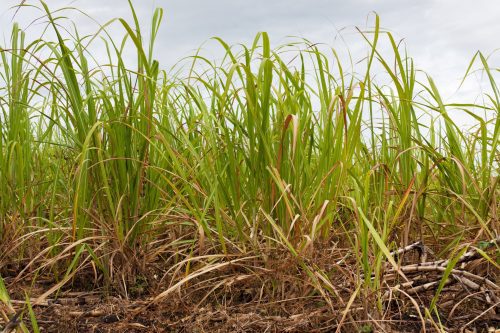
Sugarcane Waste to Biofuel
Transforming Waste into Sustainable Energy Solutions
Skills you will gain:
This comprehensive program on Sugarcane Waste to Biofuel is designed to educate participants on the transformative potential of converting agricultural waste into valuable biofuels. The program delves into the science and technology behind biofuel production, highlighting the processes involved in converting sugarcane waste into efficient, renewable energy sources. Participants will gain insights into the environmental benefits of using biofuels, such as reducing greenhouse gas emissions and promoting sustainable agricultural practices.
Through a series of interactive lectures, hands-on workshops, and real-world case studies, participants will explore the economic viability and market potential of biofuels. The program will cover topics such as feedstock selection, bioconversion technologies, and the lifecycle analysis of biofuel production. By the end of the program, participants will be equipped with the knowledge and skills needed to contribute to the growing field of renewable energy and sustainable development.
Aim: The aim of this program is to provide an in-depth understanding of converting sugarcane waste into biofuel, exploring the technological, environmental, and economic aspects. Participants will learn about the latest advancements in biofuel production, the benefits of utilizing agricultural waste, and the role of biofuels in sustainable energy solutions.
Program Objectives:
To provide comprehensive understanding and practical skills on:
- The science behind biofuel production from sugarcane waste
- The latest technologies used in converting agricultural waste into energy
- Environmental impacts and sustainability practices in biofuel production
What you will learn?
Week 1: Biomass Fundamentals and Sugarcane Waste Valorization
-
Introduction to lignocellulosic biomass and agro-waste
-
Deep science behind sugarcane bagasse and pressmud composition
-
Environmental impact of waste disposal vs. biofuel conversion
-
Deep tech applications in circular bioeconomy
Week 2: Pre-Treatment Techniques and Feedstock Optimization
-
Physico-chemical and biological pre-treatment methods
-
Enzymatic hydrolysis and microbial digestion pathways
-
Deep science of structure breaking and inhibitor removal
-
Role of nanotech and biocatalysts in feedstock enhancement
Week 3: Bioprocess Engineering and Fermentation Design
-
Conversion pathways: bioethanol, biobutanol, and biogas
-
Anaerobic digestion and fermentation parameters
-
Reactor design and scale-up challenges in deep tech biorefineries
-
Automation and sensor integration for yield optimization
Week 4: Fuel Recovery, Characterization, and Sustainability Metrics
-
-
Separation and purification of biofuels from fermentation broth
-
Deep tech tools for fuel quality assessment (GC-MS, calorimetry)
-
Life cycle assessment (LCA) and carbon neutrality tracking
-
Regulatory standards, commercialization, and global case studies
-
Intended For :
- Undergraduate degree in Environmental Science, Chemical Engineering, Agricultural Engineering, Biotechnology, or related fields.
- Professionals in the energy sector, biofuel production, environmental consultancy, agricultural industries, or waste management.
- Individuals with a keen interest in renewable energy, sustainable practices, and environmental conservation.
Career Supporting Skills