

Exosome-Based Cancer Therapy: RNA Cargo, Tumor Microenvironment & Targeted Drug Delivery
From Tumor-Derived Extracellular Vesicles to RNA-Based Therapeutics and Precision Drug Delivery
Skills you will gain:
About Workshop:
This 3-day hands-on workshop explores the emerging role of exosomes and extracellular vesicles (EVs) in cancer therapy, focusing on RNA cargo, tumor microenvironment interactions, and targeted drug delivery.
Participants will learn how tumor-derived extracellular vesicles influence cancer progression, immune regulation, metastasis, and therapeutic resistance. Using real-world research datasets and computational tools such as ExoCarta, Vesiclepedia, miRNet, and Cytoscape, participants will explore exosomal RNA cargo, analyze miRNA–gene interactions, investigate cancer signaling pathways, and develop a conceptual exosome-based RNA therapeutic delivery strategy.
The workshop integrates molecular oncology, RNA bioinformatics, cancer biology, and nanomedicine, providing practical exposure to emerging approaches in precision cancer therapeutics.
Aim:
To equip participants with practical knowledge and computational skills in extracellular vesicle biology, exosomal RNA cargo analysis, tumor microenvironment interactions, and the research-driven design of targeted exosome-based cancer therapeutics.
Workshop Objectives:
- Understand exosome biogenesis, molecular composition, and their roles in cancer progression and intercellular communication.
- Explore tumor-derived extracellular vesicles and their involvement in the tumor microenvironment, metastasis, and drug resistance.
- Identify and analyze EV-associated miRNAs and proteins using publicly available molecular databases.
- Investigate miRNA–target gene interactions and cancer-related signaling pathways using bioinformatics tools.
- Understand exosome engineering, therapeutic RNA cargo loading, and tumor-targeted drug delivery strategies.
- Develop a conceptual exosome-mediated RNA therapeutic strategy using molecular analysis and published research evidence.
What you will learn?
DAY 1: Exosome Biology, Tumor-Derived EVs & RNA Cargo Profiling
- Fundamentals of exosomes, extracellular vesicles, and EV biogenesis.
- Exosome secretion, cellular uptake, and intercellular communication.
- Molecular cargo: miRNA, mRNA, lncRNA, proteins, and lipids.
- Tumor-associated EVs in cancer progression, invasion, and metastasis.
- EV isolation and characterization: NTA, TEM, CD9, CD63, and CD81.
- Introduction to extracellular vesicle research standards (MISEV2023).
Hands-On: Exploring Cancer-Associated EV Cargo
-
- Explore EV-associated RNA, proteins, and tumor-derived molecular cargo using ExoCarta and Vesiclepedia, and access cancer EV-miRNA datasets from NCBI GEO. Identify cancer-associated miRNAs using mentor-prepared data and curate RNA candidates for downstream analysis.
Tools: ExoCarta, Vesiclepedia, NCBI GEO, Excel/Google Sheets.
DAY 2: Exosomal RNA, Tumor Microenvironment & Cancer Signaling Networks
- Roles of EV-associated miRNAs in cancer-related gene regulation.
- Tumor microenvironment interactions: cancer-associated fibroblasts, macrophages, and immune cells.
- EV-associated signaling in angiogenesis, immune evasion, and therapeutic resistance.
- miRNA–mRNA interactions and cancer-associated regulatory networks.
- Exploration of PI3K–AKT, TGF-β, and other relevant cancer signaling pathways.
- Molecular network interpretation and research-target prioritization.
Hands-On: miRNA–Gene Interaction and Pathway Analysis
- Analyze EV-associated miRNAs using miRNet to identify predicted and validated miRNA–gene interactions and enriched cancer pathways. Visualize networks in Cytoscape and prioritize potential therapeutic targets.
Tools: miRNet, Cytoscape, curated EV-miRNA dataset.
DAY 3: Exosome Engineering, RNA Therapeutics & Targeted Cancer Drug Delivery
- Extracellular vesicles as investigational nanocarriers for cancer therapy.
- EV source selection and characteristics of potential therapeutic carriers.
- Therapeutic RNA cargo: siRNA, miRNA mimics, and miRNA inhibitors.
- Overview of RNA loading approaches and their limitations.
- EV surface engineering and tumor-targeting strategies.
- Cellular uptake, intracellular delivery, and endosomal escape.
- Delivery challenges: stability, biodistribution, targeting specificity, and safety.
- Translational considerations, manufacturing reproducibility, and future clinical applications.
Hands-On: Designing an Exosome-Based Targeted Therapeutic Strategy
- Select a cancer-associated target and evidence-based RNA cargo, compare EV sources and delivery strategies, and design a targeted RNA delivery workflow. Develop a therapeutic design matrix, define validation measures, and evaluate the proposed strategy’s limitations.
Tools: miRNet, Cytoscape, published research datasets, therapeutic design templates.
Mentor Profile
Fee Plan
Important Dates
12 Nov 2026 Indian Standard Timing 4:30 PM
10 Nov 2026 to 12 Nov 2026 Indian Standard Timing 5:00 PM
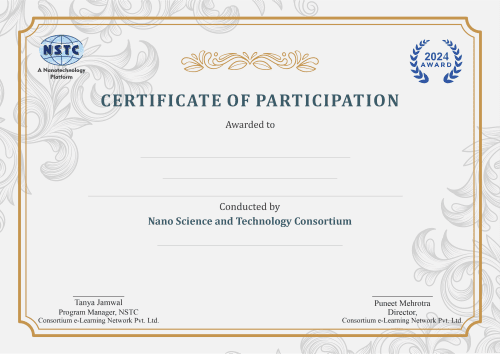
Get an e-Certificate of Participation!
Intended For :
- Students: Undergraduate, postgraduate, MSc, MTech, and PhD students in Biotechnology, Molecular Biology, Biochemistry, Bioinformatics, Nanotechnology, and Life Sciences.
- Researchers: Research scholars, postdoctoral fellows, and scientists working in Cancer Biology, Molecular Oncology, Extracellular Vesicles, and RNA Therapeutics.
- Healthcare & Biomedical Professionals: Professionals interested in molecular cancer research, precision medicine, and emerging therapeutic delivery technologies.
- Pharmaceutical & Biotech Professionals: R&D professionals exploring nanomedicine, targeted drug delivery, and RNA-based therapeutics.
- Faculty & Academicians: Educators seeking practical exposure to computational extracellular vesicle analysis and advanced cancer therapeutic research.
Career Supporting Skills
Workshop Outcomes
- Explain the biological functions of extracellular vesicles and their significance in cancer biology.
- Retrieve and explore cancer-associated EV RNA and protein data using ExoCarta and Vesiclepedia.
- Identify candidate exosomal miRNAs and analyze their potential roles in cancer-associated molecular pathways.
- Construct and interpret miRNA–gene interaction networks using miRNet and Cytoscape.
- Evaluate emerging exosome-based RNA delivery and tumor-targeting approaches.
- Design a preliminary exosome-mediated cancer therapeutic research workflow, including target selection, RNA cargo prioritization, and validation considerations.