

AI-Driven Microbial Genome Mining for Antibiotic Discovery: Comparative BGC Analysis & Machine Learning
From Biosynthetic Gene Clusters to Evidence-Based Candidate Prioritization
Skills you will gain:
About Workshop:
This advanced 3-day workshop introduces participants to computational discovery of microbial natural products and potential antibiotic candidates using microbial genome mining and AI-assisted analysis. Participants will work with publicly available microbial genomic data and open/free computational resources to identify biosynthetic potential, explore biosynthetic gene clusters, and prioritize promising antibiotic candidates.
Aim: To provide participants with an advanced, hands-on understanding of how microbial genome mining, biosynthetic gene cluster (BGC) analysis, and AI-assisted approaches can be integrated to discover and prioritize potential novel antibiotic candidates from microbial genomes.
Workshop Objectives:
By the end of the workshop, participants will be able to:
- Understand the role of microbial natural products in antibiotic discovery.
- Explain the principles and workflow of microbial genome mining.
- Identify and interpret biosynthetic gene clusters (BGCs) associated with natural-product biosynthesis.
- Use open/free computational tools such as NCBI, Galaxy, antiSMASH, BLAST, UniProt and MIBiG for genome and BGC analysis.
- Evaluate BGCs for their potential to produce antimicrobial and other bioactive compounds.
- Apply basic AI/ML-assisted approaches for prioritizing promising antibiotic candidates.
- Interpret computational predictions and distinguish promising candidates from lower-priority candidates.
- Develop a computationally informed experimental validation strategy for shortlisted antibiotic candidates.
What you will learn?
Day 1 — Advanced Genome Mining & BGC Feature Extraction
-
Microbial Natural Products, Antibiotic Discovery and Genome-Guided Approaches
-
Biosynthetic Gene Clusters (BGCs): Architecture, Gene Organization and Major Classes (PKS, NRPS and RiPPs)
-
Cryptic and Underexplored BGCs: Identification of Potential Biosynthetic Pathways
-
Microbial Genome Resources, Genome Quality and Annotation Formats
-
antiSMASH-Based Genome Mining and Interpretation of Biosynthetic Predictions
-
Python-Based BGC Feature Extraction, Data Processing and Visualization Using Biopython, pandas and Google Colab
Hands-On 1: Python-Based BGC Mining & Feature Extraction
Analyse antiSMASH outputs, extract BGC annotations and genomic features, and visualize biosynthetic potential.
Tools: NCBI • antiSMASH • Biopython • Python • Google Colab • pandas • Matplotlib
Day 2 — Comparative Genomics, BGC Novelty Analysis & Candidate Prioritization
-
Comparative Microbial Genomics and Reference-Guided BGC Analysis
-
MIBiG Database: Exploring Experimentally Characterized Biosynthetic Gene Clusters
-
Comparative Analysis of BGC Architecture, Gene Composition and Biosynthetic Domains
-
BGC Similarity Assessment, Gene Cluster Families and BiG-SCAPE Analysis
-
Similarity Networks, Biosynthetic Diversity and Novelty Assessment Limitations
-
Evidence-Based Candidate Scoring, Comparative Visualization and BGC Prioritization
Hands-On 2: Comparative BGC Analysis & Novelty-Based Prioritization
Compare candidate BGCs with known references, analyse similarity and gene organization, visualize BGC relationships, and rank candidates using evidence-based criteria.
Tools: antiSMASH • MIBiG • BiG-SCAPE • Python • pandas • NetworkX
Day 3 — Machine Learning for BGC Classification & Discovery Prioritization
-
Applications of Artificial Intelligence and Machine Learning in Microbial Genome Mining
-
Dataset Preparation, Genomic Feature Engineering and Data Preprocessing
-
Supervised Machine Learning for BGC Classification Using Random Forest and scikit-learn
-
Model Training, Cross-Validation, Class Imbalance and Performance Evaluation
-
Feature Importance, Model Interpretation, Reproducibility and Prediction Limitations
-
Integrating Comparative Genomics and ML Results for Candidate Prioritization and Experimental Validation Planning
Hands-On 3: Machine Learning for BGC Classification & Candidate Prioritization
Build and evaluate a machine-learning pipeline, assess model performance, interpret feature importance, and generate a candidate-prioritization report.
Tools: Google Colab • Python • scikit-learn • pandas • NumPy • Matplotlib • Seaborn
Mentor Profile
Fee Plan
Important Dates
22 Oct 2026 Indian Standard Timing 4:30 PM
22 Oct 2026 to 24 Oct 2026 Indian Standard Timing 5:00 PM
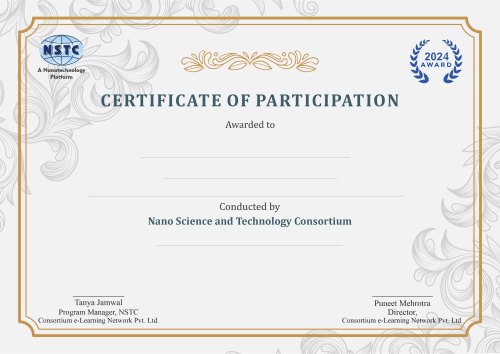
Get an e-Certificate of Participation!
Intended For :
- PhD Scholars and Research Scholars
- Microbiology Researchers
- Biotechnology Researchers
- Bioinformatics Researchers
- Microbial Genomics Researchers
- Natural Product Researchers
- Antimicrobial & AMR Researchers
- Pharmaceutical R&D Professionals
- Biotechnology & Biopharmaceutical Professionals
- MSc/MTech students in Microbiology, Biotechnology, Bioinformatics, Life Sciences or related disciplines
- Researchers interested in AI-driven drug and antibiotic discovery
Career Supporting Skills
Workshop Outcomes
After completing the workshop, participants will be able to:
- Perform a basic microbial genome-mining workflow using publicly available genomic data.
- Detect and analyse biosynthetic gene clusters using genome-mining tools.
- Characterize selected BGCs and assess their potential natural-product classes.
- Generate a shortlist of potential antibiotic candidates based on genomic evidence.
- Apply a basic AI/ML workflow to prioritize candidate compounds/BGCs.
- Interpret AI-assisted predictions in a biological context.
- Prepare a research-ready candidate prioritization report.
- Identify suitable next steps for laboratory validation and further research.