

Ethical and Effective Use of Generative AI in Research
Transform Research Workflows with Responsible and Effective Generative AI
Skills you will gain:
About Program:
This 3-day workshop is designed to help researchers, PhD scholars, faculty members, academicians, and professionals understand how Generative AI can be used responsibly and effectively in academic and scientific research. The program introduces learners to the practical applications of AI in literature review, research ideation, academic writing, data analysis, peer review, and research productivity.
The workshop also focuses on ethical concerns such as bias, hallucinations, academic integrity, responsible AI usage, and reproducible workflows. Through hands-on activities using Generative AI tools, Python, Scite.ai, and Jupyter Notebooks, participants will learn how to integrate AI into research workflows while maintaining quality, transparency, and ethical standards.
Aim:
To equip researchers and academic professionals with practical knowledge and hands-on skills to use Generative AI ethically, effectively, and responsibly across different stages of the research lifecycle.
Program Objectives:
- Understand Generative AI applications in academic research.
- Use AI tools for literature review and research ideation.
- Identify bias, hallucinations, and ethical risks in AI outputs.
- Apply AI for manuscript structuring and academic writing.
- Perform basic research data analysis using Python.
- Explore AI-assisted peer review and publication quality checks.
- Build reproducible research workflows using Jupyter Notebooks.
What you will learn?
Workshop Structure
📅 Day 1: Introduction to Generative AI in Academic Research
- Overview of Generative AI and its applications in research
- Ethical implications of AI in research, including bias and hallucinations
- Role of AI in automating literature reviews and research ideation
- Challenges in AI reliability and maintaining academic integrity
- Responsible AI usage to ensure research quality and fairness
🛠️ Hands-on:
Hands-on 1: Literature Review Automation using OpenAI GPT Models / Generative AI Tools
Hands-on 2: Bias Detection and Responsible AI Evaluation
🧰 Tools Covered: OpenAI API / Generative AI Tools
📅 Day 2: AI-Assisted Academic Writing and Research Data Analysis
- AI for structuring and drafting academic papers
- Improving writing quality with AI-driven grammar and coherence checks
- Data analysis and pattern detection using AI tools
- Visualizing research data through AI-driven techniques
- Summarizing large datasets for key insights using AI
🛠️ Hands-on:
Hands-on 1: Manuscript Structuring with OpenAI GPT Models / Generative AI Tools
Hands-on 2: Data Analysis with Python
🧰 Tools Covered: OpenAI GPT Models / Generative AI Tools, Python, Pandas, Matplotlib
📅 Day 3: AI in Peer Review, Research Integrity, and Productivity
- AI’s role in automating peer review and manuscript quality checks
- Identifying predatory publishing using AI tools
- Boosting productivity by automating research tasks
- Building reproducible workflows in research with AI
- Future trends of AI in collaborative research and ethics
🛠️ Hands-on:
Hands-on 1: Peer Review Automation using Scite.ai
Hands-on 2: Reproducible Workflows with Jupyter Notebooks
🧰 Tools Covered: Scite.ai, Jupyter Notebooks
Mentor Profile
Fee Plan
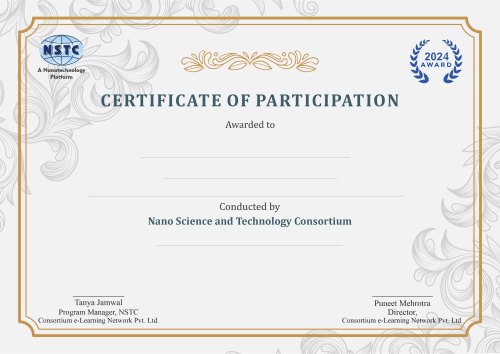
Get an e-Certificate of Participation!
Intended For :
- Undergraduate and Postgraduate Students
- PhD Scholars and Research Scholars
- Faculty Members and Academicians
- Researchers and Scientists
- Healthcare and Industry Professionals
- Data Science and AI Enthusiasts
- Professionals involved in academic writing and publication
- Anyone interested in the ethical and effective use of Generative AI in research
Career Supporting Skills
Program Outcomes