

Bioinformatics Approach to Antimicrobial Resistance & HGT
Track Resistance, Decode Transfer—Bioinformatics for AMR & Gene Mobility
Skills you will gain:
About Program:
This workshop explores bioinformatics-driven approaches to detect and analyze AMR genes and HGT events using genomic and metagenomic datasets. Participants will learn how to use tools such as BLAST, CARD (Comprehensive Antibiotic Resistance Database), ResFinder, and genome assembly/annotation pipelines. The program emphasizes dry-lab workflows, enabling participants to track resistance gene flow, identify HGT signatures, and understand epidemiological patterns in microbial populations.
Aim: This workshop aims to train participants in using bioinformatics tools and genomic analysis to study antimicrobial resistance (AMR) and horizontal gene transfer (HGT). It focuses on identifying resistance genes, mobile genetic elements, and transmission pathways across microbial populations.
Program Objectives:
- Understand mechanisms of antimicrobial resistance and HGT.
- Learn to identify AMR genes using bioinformatics databases and tools.
- Analyze mobile genetic elements associated with gene transfer.
- Detect HGT events using comparative genomics approaches.
- Apply genomic workflows for AMR surveillance and epidemiology.
What you will learn?
Day 1 High-Confidence AMR Gene Detection from Sequence Data
- AMR screening workflow design
- Hands-on: BLAST-based AMR gene discovery
- Hands-on: Curated AMR calling with AMRFinderPlus / CARD-RGI / ResFinder
- Building an AMR evidence table
- Day 1 deliverable
- One curated AMR gene profile
- One cross-tool comparison matrix
- One shortlist of reportable resistance determinants
Day 2 HGT Evidence Mapping: Plasmids, Mobile Elements, and Transfer Signals
- Locating AMR genes in mobile contexts
- Hands-on: Plasmid-focused analysis: PlasmidFinder & MOB-suite
- Hands-on: HGT signature discovery: oriT OR oriTfinder
- Day 2 deliverable
- One plasmid/HGT evidence map
- One mobile-element annotation sheet
- One ranked list of AMR genes with transfer potential
Day 3 Integrated Case Study: AMR + HGT Interpretation and Reporting
- End-to-end case study analysis
- Resolving ambiguous calls: BLAST hit vs curated AMR call
- Hands-on: BLAST, AMRFinderPlus, CARD-RGI, ResFinder, and plasmid/HGT outputs
- Reporting framework for AMR and HGT
- Final capstone output
- One integrated AMR + HGT report
- One decision tree for future sequence analysis
- One reusable workflow template for participant labs
Mentor Profile
Fee Plan
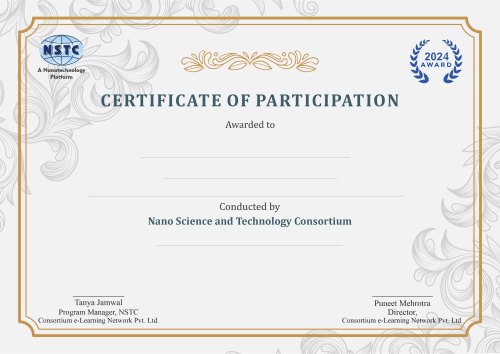
Get an e-Certificate of Participation!
Intended For :
Career Supporting Skills
Program Outcomes
Participants will be able to:
- Identify AMR genes using genomic databases and tools.
- Analyze HGT mechanisms and mobile genetic elements.
- Interpret genomic data for resistance tracking.
- Apply bioinformatics workflows for AMR surveillance.
- Understand microbial evolution and resistance spread patterns.