
Biomass as a Sustainable Feedstock for Biochemicals in Upcoming Biorefineries
Turning Biomass into Biochemicals for the Future Bioeconomy
About This Course
Biomass is emerging as a key alternative to fossil-based resources for producing fuels, chemicals, polymers, solvents, and platform molecules. In upcoming biorefineries, diverse biomass sources such as crop residues, forestry waste, algae, food waste, and lignocellulosic materials can be processed into high-value biochemicals through biochemical, thermochemical, and catalytic routes.
Aim
This workshop aims to introduce participants to the role of biomass as a renewable feedstock for producing biochemicals in next-generation biorefineries.
Workshop Objectives
- Understand biomass types and their suitability as biochemical feedstocks.
- Learn pretreatment and conversion methods for lignocellulosic biomass.
- Explore fermentation and catalytic pathways for biochemical production.
- Evaluate sustainability, yield, and process efficiency in biorefineries.
- Understand scale-up and commercialization challenges for bio-based chemicals.
Workshop Structure
Day 1: Biomass Feedstock & Biorefinery Fundamentals
- Introduction to biomass and biorefineries
- Types of biomass: lignocellulosic waste, agricultural residues, algae, food waste
- Biomass composition: cellulose, hemicellulose, lignin, proteins, oils
- Sustainable feedstock selection and availability
- Hands-on: Select biomass feedstock for biochemical production
- Tools Used: Canva, Jupyter Notebook, Python, Excel / Google Sheets, Google Scholar, PubMed
Day 2: Biomass Conversion into Biochemicals
- Pretreatment methods: physical, chemical, biological
- Conversion routes: fermentation, enzymatic hydrolysis, catalytic conversion
- Biochemicals: organic acids, bioethanol, bioplastics, biosurfactants, enzymes
- Role of microbes, enzymes, and catalysts
- Hands-on: Design a biomass-to-biochemical conversion workflow
- Tools Used: Jupyter Notebook, Python for data plotting, Excel / Google Sheets, BioRender, Miro / Jamboard
Day 3: Biorefinery Applications & Product Development
- Integrated biorefinery concept
- Product recovery, purification, and downstream processing
- Sustainability, circular economy, and waste valorization
- Lab-to-market pathway for bio-based chemicals
- Hands-on: Develop one biorefinery-based biochemical product concept
- Tools Used: Python, Jupyter Notebook, Excel / Google Sheets, Canva, BioRender, LCA calculator template, product concept template
Who Should Enrol?
- Undergraduate/postgraduate degree in Biotechnology, Chemical Engineering, Biochemistry, Environmental Science, Microbiology, Industrial Biotechnology, or related fields.
- Professionals working in bioenergy, biochemicals, waste valorization, fermentation, sustainability, or industrial biotechnology sectors.
- Researchers interested in biorefineries, biomass conversion, green chemistry, and circular bioeconomy.
- Individuals with a keen interest in sustainable manufacturing and renewable feedstock innovation.1111111111111111111111
Workshop Outcomes
Participants will be able to:
- Identify suitable biomass sources for biochemical production.
- Understand major conversion technologies used in biorefineries.
- Explain how biomass is transformed into value-added chemicals.
- Evaluate sustainability and commercial potential of biomass-based processes.
- Propose biorefinery pathways for renewable biochemical production.
Meet Your Mentor(s)
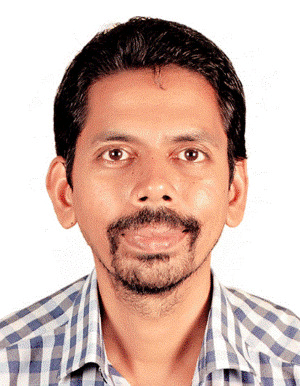
Mr. Indra Neel Pulidindi
Dr. Indra Neel Pulidindi works as an assistant professor at Saveetha Medical College and Hospital (SMCH) & Saveetha Institute of Medical and Technical Sciences (SIMATS), Thandalam, Chennai, India. He serves as a Scientific Consultant at JSCIAR, India. He has also been rendering his services as a . . .
Fee Structure
Student Fee
₹2499 | $60
Ph.D. Scholar / Researcher Fee
₹3499 | $70
Academician / Faculty Fee
₹4499 | $89
Industry Professional Fee
₹5499 | $100
What You’ll Gain
- Live & recorded sessions
- e-Certificate upon completion
- Post-workshop query support
- Hands-on learning experience
View All Feedbacks →
Showing 11–20 of 590 results
-

Add to cartAI Ethics and Governance in Healthcare Course -

Add to cartAI-Powered Customer Experience Course by NanoSchool -

NLP Mastery for ESG & Compliance: Unlock Corporate Policy Secrets
Add to cart -

Compliance & Risk for AI (Regulated-ready)
Add to cart -

AI for Environmental Impact, LCA & ESG Decision Intelligence
Add to cart -

AI for LNP Optimization in mRNA and Gene Delivery
Add to cart -

Smart PCR and Primer Design with AI Course | Molecular Biology
Add to cart -

RNA-Seq Data Analysis using R and Bioconductor
Add to cart -

Deep Learning for Structural Health Monitoring
Add to cart -

AI for Federated Learning: Decentralized Data & Privacy-Preserving Techniques | NanoSchool
Add to cart