Aim
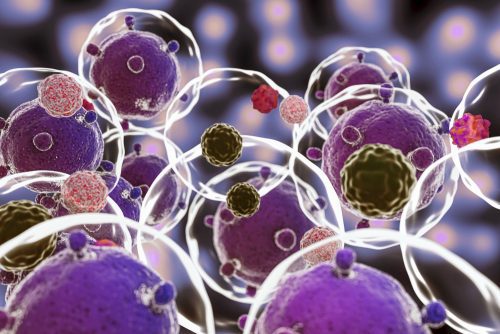
This course explains how specific viruses contribute to cancer development and progression. Participants will learn the biology of oncogenic viruses, how viral proteins disrupt cell cycle and immune control, how chronic infection and inflammation drive tumorigenesis, and how viral detection and prevention strategies (vaccines, screening, antivirals) reduce cancer burden. The program connects virology to molecular oncology and ends with a case-based mini-project focused on one cancer virus.
Program Objectives
- Understand Viral Oncology Foundations: Learn how infection can lead to transformation and cancer risk.
- Know Major Cancer Viruses: HPV, HBV, HCV, EBV, HTLV-1, KSHV/HHV-8 and key associated cancers.
- Molecular Mechanisms: Understand how viral proteins alter cell cycle, apoptosis, and genome stability.
- Immune Evasion & Inflammation: Learn how persistent infection and immune escape promote cancer.
- Diagnostics & Screening: Understand detection methods and screening strategies at a practical level.
- Prevention & Control: Learn vaccines, antivirals, and public health approaches to reduce viral cancers.
- Hands-on Outcome: Build a virus-to-cancer mechanism map and prevention plan as the final project.
Program Structure
Module 1: Viral Oncology — Why Viruses Matter in Cancer
- How infection becomes cancer risk: persistence, transformation, chronic inflammation.
- Direct vs indirect oncogenesis: viral oncogenes vs immune/inflammation-driven mechanisms.
- Latency and integration: why some viruses remain for life and change cell behavior.
- Overview of virus-associated cancers and global burden (high-level).
Module 2: Core Molecular Mechanisms of Viral Oncogenesis
- Cell cycle disruption: targeting p53, RB, and checkpoint pathways (concept).
- Apoptosis evasion and survival signaling activation.
- Genomic instability: integration effects and DNA damage links.
- Epigenetic and transcriptional rewiring caused by viral infection (overview).
Module 3: Human Papillomavirus (HPV) and Cervical/Head-Neck Cancers
- HPV lifecycle basics and epithelial infection.
- E6/E7 oncoproteins: p53/RB disruption and transformation logic.
- HPV integration and progression from infection to malignancy.
- Prevention: HPV vaccines and screening strategies (Pap/HPV testing overview).
Module 4: Hepatitis Viruses (HBV/HCV) and Liver Cancer
- Chronic hepatitis and inflammation-driven tumorigenesis.
- HBV integration and viral proteins (overview) and liver cancer risk.
- HCV and indirect mechanisms: immune-driven damage and fibrosis progression.
- Prevention/control: vaccination (HBV), antivirals (HCV), surveillance concepts.
Module 5: Epstein–Barr Virus (EBV) and Virus-Driven Lymphomas
- EBV latency and persistence in B-cells.
- Viral proteins and signaling: LMP1/LMP2 concepts and survival pathways.
- Associated cancers: Burkitt lymphoma, Hodgkin lymphoma, nasopharyngeal carcinoma (overview).
- Immune status and risk: why immunosuppression increases EBV-driven cancers.
Module 6: HTLV-1 and Adult T-Cell Leukemia/Lymphoma (ATL)
- Retroviral basics and long-term persistence.
- Transformation mechanisms concept (Tax/HBZ overview) and T-cell dysregulation.
- Latency and long incubation periods: why ATL appears years later.
- Public health angle: transmission routes and prevention measures.
Module 7: KSHV/HHV-8 and Kaposi’s Sarcoma
- Virus-driven angiogenesis and tumor microenvironment changes (concept).
- Kaposi’s sarcoma and immune suppression links (HIV/AIDS context overview).
- Associated conditions: primary effusion lymphoma (overview).
- Prevention/management concepts in immunocompromised populations.
Module 8: Diagnostics, Biomarkers & Laboratory Detection
- Molecular detection: PCR/RT-PCR concepts for viral DNA/RNA.
- Serology: antibody markers and what they indicate about infection stage.
- Tissue-based detection: immunohistochemistry (IHC) and in situ hybridization (ISH) overview.
- Interpreting positives: infection vs causation vs tumor association.
Module 9: Prevention, Vaccination & Public Health Strategy
- Primary prevention: vaccines, safe practices, blood safety, and education.
- Secondary prevention: screening programs and early lesion detection.
- Tertiary prevention: surveillance and recurrence monitoring concepts.
- Equity and implementation: access, uptake, and communication challenges.
Final Project
- Create a Virus-to-Cancer Mechanism & Prevention Dossier for one oncogenic virus.
- Include: lifecycle summary, molecular mechanisms, associated cancers, diagnostic approach, and prevention plan.
- Example projects: HPV and cervical cancer prevention pathway, HBV/HCV liver cancer risk dossier, EBV lymphoma mechanism map, KSHV in immunocompromised populations plan.
Participant Eligibility
- UG/PG/PhD students in Biotechnology, Microbiology, Virology, Molecular Biology, or related fields
- Researchers in oncology, infectious disease, immunology, and translational science
- Healthcare and public health learners interested in infection-driven cancers
- Basic understanding of gene expression and virology is recommended
Program Outcomes
- Mechanism Clarity: Understand how oncogenic viruses trigger cancer pathways.
- Virus-Specific Knowledge: Know key viruses, associated cancers, and prevention options.
- Diagnostics Awareness: Understand common lab detection approaches and interpretation discipline.
- Public Health Perspective: Ability to connect vaccines/screening to reduced cancer burden.
- Portfolio Deliverable: A virus-to-cancer dossier you can showcase.
Program Deliverables
- Access to e-LMS: Full access to course content, virus case sheets, and reference resources.
- Learning Toolkit: Virus mechanism mapping template, diagnostic planning sheet, prevention strategy checklist.
- Case-Based Exercises: Virus-linked cancer scenario discussions and interpretation tasks.
- Project Guidance: Mentor support to build the final virus dossier.
- Final Assessment: Certification after assignments + capstone submission.
- e-Certification and e-Marksheet: Digital credentials provided upon successful completion.
Future Career Prospects
- Virology/Oncology Research Intern or Associate
- Translational Research Assistant (Infection-Associated Cancer)
- Clinical Research Associate (Oncology/Infectious Disease track)
- Diagnostics & Molecular Testing Associate
- Public Health Program Associate (Vaccination/Screening)
Job Opportunities
- Academic & Research Institutes: Virology, oncology, immunology, and molecular pathology labs.
- Biotech & Pharma: Vaccine development, antiviral R&D, oncology translational teams.
- Hospitals & Cancer Centers: Molecular diagnostics, pathology, and clinical research units.
- Public Health Organizations: HPV/HBV vaccination programs, screening and surveillance initiatives.
- CROs: Oncology and infectious disease clinical research and biomarker programs.


Reviews
There are no reviews yet.