Rated Excellent

250+ Courses

30,000+ Learners

95+ Countries
USD $0.00
Cart

No products in the cart.

Sugarcane Waste to Biofuel Course

USD $59.00 USD $249.00Price range: USD $59.00 through USD $249.00

This program explores the transformation of sugarcane waste into biofuel, highlighting cutting-edge technologies, sustainability practices, and the economic viability of renewable energy solutions.

Add to Wishlist
Add to Wishlist

Aim

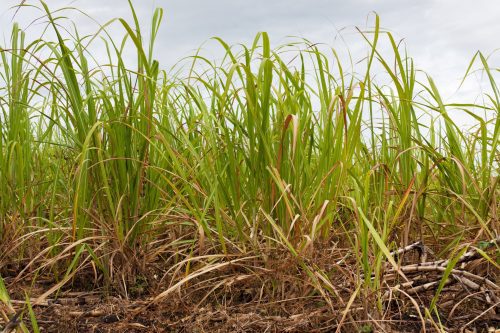
This course focuses on converting sugarcane industry residues—such as bagasse, cane trash, molasses, press mud, and vinasse—into biofuels and bioenergy products. Participants will learn feedstock characterization, pre-processing and conversion pathways (biochemical and thermochemical), process selection logic, sustainability assessment, and techno-economic thinking. The program emphasizes safe, compliant, and industrially relevant approaches (conceptual and design-oriented rather than step-by-step production protocols). The course culminates in a capstone project where learners develop a Sugarcane Waste-to-Biofuel Plant Blueprint for a chosen region, mill, or integrated biorefinery scenario.

Program Objectives

  • Feedstock Understanding: Learn sugarcane waste streams, composition (cellulose/hemicellulose/lignin), and variability.
  • Pathway Selection: Compare biochemical (2G ethanol, biogas/CBG) and thermochemical (pyrolysis/gasification) routes.
  • Pre-processing & Logistics: Understand collection, densification, storage, and contamination control for residues.
  • Conversion Concepts: Learn key conversion blocks (pretreatment, hydrolysis, fermentation; anaerobic digestion; thermal conversion) at a high level.
  • Process Integration: Explore integrated biorefinery concepts and co-products for higher overall value.
  • Sustainability & LCA Thinking: Evaluate carbon impacts, circularity benefits, and water/energy tradeoffs.
  • Techno-Economic Reasoning: Build basic cost/benefit logic and scale-up constraints for real deployments.
  • Hands-on Outcome: Produce a feasibility-style blueprint with pathway choice, mass/energy logic, and implementation plan.

Program Structure

Module 1: Sugarcane Waste Streams and the Bioenergy Opportunity

  • Overview of sugarcane value chain and waste generation points.
  • Residues: bagasse, cane trash, molasses, press mud, vinasse—typical properties and challenges.
  • Biofuels landscape: ethanol, biogas/CBG, bio-oil, syngas, power/steam co-generation.
  • Impact framing: waste reduction, rural energy, emissions mitigation, and circular economy.

Module 2: Feedstock Characterization and Quality Control

  • Lignocellulosic basics: cellulose, hemicellulose, lignin—why they matter for conversion.
  • Moisture, ash, and impurities: how they influence process efficiency and equipment.
  • Sampling concepts and variability management across seasons and regions.
  • Storage risks: biodegradation, fire safety awareness, and handling best practices (conceptual).

Module 3: Pre-processing, Logistics, and Supply Chain Design

  • Residue collection and transport models: centralized vs decentralized processing.
  • Densification concepts: baling/pelletizing logic for cane trash and bagasse handling.
  • Contamination control: soil, rocks, moisture—why it matters.
  • Supply chain KPIs: delivered cost, reliability, and seasonal availability planning.

Module 4: Biochemical Conversion Pathway I — 2G Ethanol (Conceptual)

  • High-level process blocks: pretreatment → hydrolysis → fermentation → recovery.
  • Why pretreatment is needed for bagasse/cane trash (structure and accessibility concepts).
  • Fermentation options overview and productivity constraints (no operational protocols).
  • Co-products and integration: lignin-rich residues and heat/steam optimization.

Module 5: Biochemical Conversion Pathway II — Biogas / Compressed Biogas (CBG)

  • Anaerobic digestion concepts for press mud/vinasse blends and mixed substrates.
  • Biogas quality and upgrading overview: methane enrichment concepts and end-use options.
  • Digestate handling: nutrient recovery logic and circular agriculture pathways.
  • Operational risks awareness: odor, corrosion, safety and compliance considerations.

Module 6: Thermochemical Pathways — Pyrolysis and Gasification (High-Level)

  • When thermal routes make sense: moisture/ash constraints and product goals.
  • Pyrolysis overview: bio-oil, char, and gas streams—use-cases and stabilization challenges.
  • Gasification overview: syngas logic and downstream energy applications (conceptual).
  • Biochar and carbon benefits: soil amendment potential and verification mindset.

Module 7: Integrated Sugarcane Biorefinery and Co-Product Strategy

  • Integration with sugar mills: steam/power, heat recovery, and residue routing options.
  • Co-products: electricity, biochar, CO₂ utilization concepts, and nutrient recovery.
  • Process selection matrix: feedstock → technology fit → markets → infrastructure.
  • Reliability planning: downtime, redundancy, and seasonal operation strategies.

Module 8: Sustainability Assessment, LCA Thinking, and Compliance

  • Emissions accounting basics: baselines, avoided emissions, and system boundaries.
  • Water-energy tradeoffs: vinasse handling, process water, and energy efficiency levers.
  • Safety and environmental compliance awareness: handling, storage, and reporting expectations (overview).
  • Responsible claims: evidence-based reporting and uncertainty awareness.

Module 9: Techno-Economic Analysis (TEA) and Project Feasibility

  • Cost drivers: feedstock logistics, capex blocks, opex, utilities, and maintenance.
  • Revenue logic: fuel sales, co-products, tipping fees (where applicable), and carbon value concepts.
  • Scale-up constraints: supply chain stability, quality control, and operator skill requirements.
  • Decision readiness: risks, assumptions, sensitivity thinking, and stakeholder alignment.

Final Project

  • Create a Sugarcane Waste-to-Biofuel Blueprint for a selected geography or sugar mill cluster.
  • Include: feedstock map and quantities, chosen conversion pathway, process flow (high level), mass/energy logic, sustainability justification, risk/compliance notes, and a rollout plan.
  • Example projects: 2G ethanol concept for bagasse + trash, CBG facility using press mud + vinasse, hybrid biorefinery integrating cogeneration + biochar, or a decentralized residue-to-energy hub model.

Participant Eligibility

  • Students and professionals in Biotechnology, Chemical Engineering, Environmental Science/Engineering, Energy, or related fields.
  • Professionals from sugar mills, agro-processing, rural energy, and sustainability programs.
  • Entrepreneurs exploring waste-to-energy and circular economy opportunities.
  • Basic understanding of biology/chemistry/energy concepts is helpful but not required.

Program Outcomes

  • Feedstock-to-Fuel Clarity: Understand sugarcane residue types and the best-fit biofuel pathways.
  • Process Selection Skill: Ability to compare conversion routes and choose based on constraints and goals.
  • Systems Thinking: Understand integration options, co-products, and practical scale-up limitations.
  • Sustainability Reasoning: Apply LCA-style thinking to justify environmental benefits responsibly.
  • Portfolio Deliverable: A feasibility-style blueprint suitable for industry or grant discussions.

Program Deliverables

  • Access to e-LMS: Course notes, case studies, and pathway comparison guides.
  • Planning Toolkit: Feedstock assessment checklist, pathway selection matrix, TEA-lite worksheet, and risk/compliance checklist.
  • Case Exercises: Residue mapping, pathway scoring, co-product planning, and sustainability boundary definition.
  • Project Guidance: Mentor feedback on blueprint logic and feasibility assumptions.
  • Final Assessment: Certification after assignments + capstone submission.
  • e-Certification and e-Marksheet: Digital credentials provided upon successful completion.

Future Career Prospects

  • Bioenergy / Biorefinery Analyst
  • Waste-to-Energy Project Associate
  • Bioprocess & Sustainability Associate (Agro-Residues Focus)
  • Rural Energy & Circular Economy Program Associate
  • Carbon & Environmental Impact Analyst (Biofuels)

Job Opportunities

  • Sugar Mills & Distilleries: Bioenergy integration, residue valorization planning, and sustainability operations.
  • Biofuel & Waste-to-Energy Companies: Project development, feedstock logistics, and process evaluation roles.
  • Energy & Infrastructure Firms: Rural energy deployment and integrated biorefinery projects.
  • Government/NGO Programs: Clean energy, circular economy, and rural livelihood sustainability initiatives.
  • Research Institutes: Applied R&D on biomass conversion pathways and impact assessment.
Category

E-LMS, E-LMS+Videos, E-LMS+Videos+Live

Reviews

There are no reviews yet.

Be the first to review “Sugarcane Waste to Biofuel Course”

Your email address will not be published. Required fields are marked *

Certification

  • Upon successful completion of the workshop, participants will be awarded a Certificate of Completion, validating their skills and knowledge in advanced AI ethics and regulatory frameworks. This certification can be added to your LinkedIn profile or shared with employers to demonstrate your commitment to ethical AI practices.

Achieve Excellence & Enter the Hall of Fame!

Elevate your research to the next level! Get your groundbreaking work considered for publication in  prestigious Open Access Journal (worth USD 1,000) and Opportunity to join esteemed Centre of Excellence. Network with industry leaders, access ongoing learning opportunities, and potentially earn a place in our coveted 

Hall of Fame.

Achieve excellence and solidify your reputation among the elite!

14 + years of experience

over 400000 customers

100% secure checkout

over 400000 customers

Well Researched Courses

verified sources