Feature
Details
Format
Recorded, On-Demand Course
Level
Intermediate / Advanced
Duration
3 Weeks
Mode
Online
Tools / Methods
Graphene functionalization techniques, biosensing workflows, drug delivery design principles
Hands-On
Application case studies and translational analysis
Target Audience
Researchers, biomedical engineers, medical innovators, students in nanomedicine or biomedical fields
Domain Relevance
Nanotechnology, biomedical engineering, drug delivery, diagnostics
About the Course
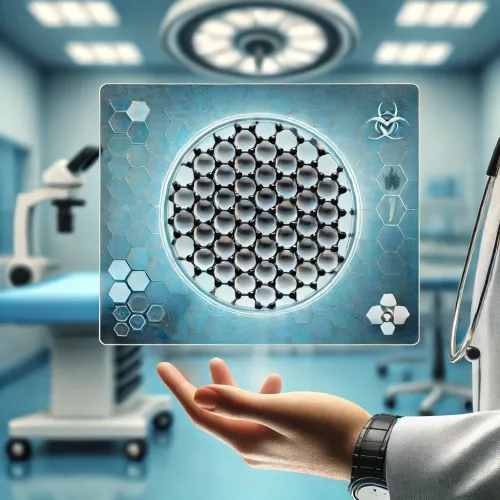
Medical Applications of Graphene provides a structured exploration of how graphene and its derivatives—graphene oxide (GO), reduced graphene oxide (rGO), and graphene quantum dots are engineered for medical use. The course emphasizes both fundamental science and translational realities, showing how graphene’s electrical, mechanical, and chemical properties enable advanced biomedical applications.
Learners will examine graphene synthesis, functionalization, and biocompatibility, then see these principles applied to diagnostics, drug delivery, imaging, neural interfaces, tissue engineering, and antimicrobial surfaces. Importantly, the course addresses practical hurdles: safety, toxicity, ethical concerns, and regulatory pathways.
“This course equips participants to critically evaluate graphene technologies, understand translational challenges, and contribute to innovation in biomedical R&D.”
Why This Topic Matters
Graphene’s potential in medicine is driven by unmet challenges in diagnostics, therapy, and device development:
- Research Need: Traditional materials often limit biosensor sensitivity, targeted drug delivery, or device miniaturization. Graphene offers solutions based on structural and electronic properties.
- Industry Demand: Startups and biomedical firms seek high-performance materials for next-generation devices and nanomedicine platforms.
- Technical Challenge: Integrating graphene into biological environments requires precise functionalization, biocompatibility analysis, and regulatory foresight.
- Interdisciplinary Relevance: Applications intersect materials science, molecular biology, chemistry, and biomedical engineering.
- Emerging Applications: From neural interfaces to antimicrobial coatings, graphene is proving versatile in healthcare technologies.
What Participants Will Learn
• Analyze graphene’s electrical, mechanical, and chemical properties in biomedical contexts
• Apply synthesis and functionalization strategies for targeted medical applications
• Evaluate graphene-based biosensors, imaging tools, and drug delivery systems
• Identify safety, toxicity, and regulatory considerations in clinical translation
• Connect laboratory research findings to applied biomedical engineering and device design
Course Structure
Module 1 — Fundamentals of Graphene in Medicine
- Structural and electronic properties of graphene
- Graphene derivatives: GO, rGO, and quantum dots
- Property–function relationships for biomedical applications
Module 2 — Graphene for Disease Prevention & Diagnosis
- Biosensing platforms and biomarker detection
- Graphene-enabled theranostics (diagnosis + treatment)
- Imaging modalities leveraging graphene properties
Module 3 — Graphene in Drug Delivery Systems
- Targeted and controlled release mechanisms
- Surface functionalization to optimize delivery and biocompatibility
- Comparative analysis with conventional delivery platforms
Module 4 — Graphene in Biomedical Devices & Tissue Engineering
- Neural interfaces, implantable devices, and sensors
- Regenerative scaffolds and tissue engineering applications
- Antimicrobial coatings and infection mitigation
Module 5 — Translational, Safety, and Regulatory Considerations
- Toxicity and biocompatibility testing
- Ethical considerations and clinical trial frameworks
- Regulatory pathways for graphene-enabled medical products
Tools, Techniques, or Platforms Covered
Graphene synthesis and functionalization
Microscopy, spectroscopy, and surface analysis
Biosensor design and modeling
Drug delivery formulation and evaluation
Imaging modalities
Real-World Applications
- Diagnostics: High-sensitivity biosensors, point-of-care detection, molecular imaging
- Therapeutics: Targeted drug delivery, controlled release systems, regenerative medicine
- Biomedical Devices: Implantable sensors, neural interfaces, antimicrobial surfaces
- Research & Development: Material characterization, translational studies, safety and regulatory assessment
Who Should Attend
- Biomedical and materials engineers developing advanced medical devices or biomaterials
- Researchers and academics in nanotechnology, nanomedicine, or biomedical science
- Healthcare technology innovators exploring next-generation diagnostic or therapeutic platforms
- Clinicians interested in emerging nanomaterial-based tools
- Advanced students in biomedical engineering, nanotechnology, materials science, chemistry, pharmacy, or life sciences
Prerequisites or Recommended Background: Basic understanding of chemistry, biology, or materials science; familiarity with biomedical concepts recommended; no advanced coding required.
Why This Course Stands Out
- Applied Orientation: Direct connection between graphene properties and medical use cases
- Translational Focus: Addresses safety, ethics, and regulatory realities often omitted in generic courses
- Case-Based Learning: Real-world examples of biosensors, drug delivery systems, and implantable devices
- Expert-Led Insight: Instruction grounded in current research and practical biomedical engineering experience
- Interdisciplinary Integration: Bridges nanomaterials science, engineering, and clinical application




Reviews
There are no reviews yet.