Introduction to the Course
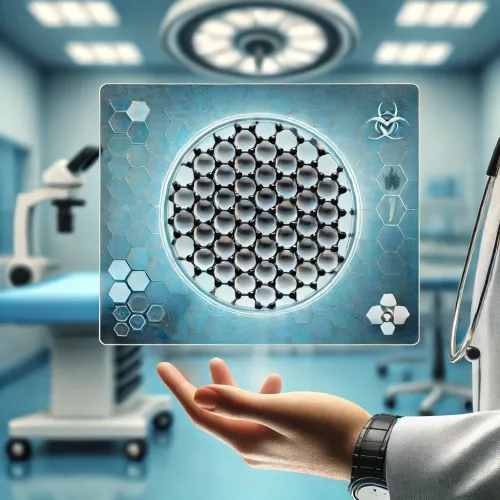
Medical Applications of Graphene explores how graphene and graphene-based materials are helping shape the next wave of healthcare innovation. Because graphene combines excellent electrical conductivity, high mechanical strength, large surface area, and promising biocompatibility (when engineered correctly), it has become a powerful platform for building smarter diagnostic tools, more targeted therapies, and advanced biomedical devices.
In this course, you’ll learn how graphene, graphene oxide (GO), and related derivatives are synthesized, functionalized, and designed for medical use—then connect those fundamentals to real applications like biosensors, drug delivery, medical imaging, tissue engineering, neural interfaces, and antimicrobial coatings. You’ll also understand the practical reality of translation: safety, toxicity, ethics, and regulatory requirements that decide whether a graphene solution can move from lab to clinic.
Course Objectives
- Understand the core properties of graphene and why they are valuable for medical and biomedical applications.
- Learn graphene synthesis and functionalization approaches, along with key biocompatibility considerations.
- Analyze how graphene is used in diagnostics, drug delivery, and biomedical device engineering.
- Explore safety, toxicity, ethical, and regulatory challenges of graphene-based healthcare technologies.
- Gain insight into current research trends and what clinical translation realistically requires.
What Will You Learn (Modules)
Module 1: Fundamentals of Graphene in Medicine
- Structure, properties, and unique characteristics of graphene
- Graphene derivatives: graphene oxide (GO), reduced graphene oxide (rGO), graphene quantum dots
- Correlation of properties with biomedical functionality
Module 2: Graphene for Disease Prevention & Diagnosis
- Role in early disease detection (biosensing, biomarker detection)
- Graphene-based theranostics (integrated diagnosis + treatment)
- Graphene-enabled imaging techniques
Module 3: Graphene in Drug Delivery Systems
- Types of renewable energy sources: solar, wind, hydro, biomass, and geothermal
- Benefits over conventional energy and environmental impact
- Role of renewable energy in sustainable development
Module 4: Solar Energy Technologies & Applications
- Solar photovoltaic (PV) fundamentals and thermal processes
- System design, installation, and performance measurement
- Case studies of solar deployment
Who Should Take This Course?
This course is ideal for:
- Biomedical and Materials Engineers: Professionals developing advanced medical devices, coatings, and biomaterials.
- Researchers and Academics: Individuals working in nanotechnology, biomedical science, nanomedicine, or materials research.
- Healthcare Technology Innovators: Startups and entrepreneurs building next-generation diagnostic and therapeutic solutions.
- Medical Professionals: Clinicians interested in emerging nanomaterial-based tools for diagnostics and therapy.
- Students: Learners in biomedical engineering, nanotechnology, materials science, chemistry, pharmacy, or life sciences.
Job Opportunities
After completing this course, learners may pursue roles such as:
- Biomedical Nanotechnology Engineer: Designing graphene-enabled medical devices and biomedical systems.
- Graphene Research Scientist: Conducting research on graphene applications in diagnostics, therapeutics, and clinical translation.
- Medical Device Development Specialist: Integrating graphene into diagnostic tools and therapeutic technologies.
- Biosensor & Bioelectronics Engineer: Developing high-performance sensing platforms using graphene materials.
- Regulatory & Safety Specialist: Managing toxicity, biocompatibility, testing standards, and compliance for graphene-based products.
Why Learn With Nanoschool?
At Nanoschool, you’ll learn graphene medicine in a way that feels practical, current, and connected to real-world translation.
- Expert-Led Instruction: Learn from experts across nanomaterials, biomedical engineering, and healthcare technology.
- Application-Focused Learning: Study real case studies and translational pathways from lab research to medical use.
- Future-Ready Curriculum: Stay updated with the latest advancements in graphene-based medical innovations.
- Career Mentorship: Get guidance for roles in biomedical nanotechnology, nanomedicine, and medical device development.
Key outcomes of the course
By the end of this course, you will:
- Understand how graphene is transforming diagnostics, therapy, and regenerative medicine.
- Be able to evaluate graphene materials for specific medical and biomedical applications.
- Gain awareness of safety, ethical, and regulatory challenges in graphene-enabled healthcare technologies.
- Be prepared to contribute to innovation in advanced medical devices, biosensors, and nanomedicine R&D.
FAQs
- Why is graphene useful in medical applications?
Graphene combines conductivity, strength, and a functionalizable surface—making it useful for biosensors, drug delivery, imaging, and advanced biomedical interfaces when engineered safely.
- Does the course cover graphene oxide (GO) and derivatives?
Yes. You’ll explore graphene, graphene oxide, and related derivatives, including how functionalization changes biocompatibility and performance.
- Will safety and toxicity be discussed?
Absolutely. Safety, toxicity, ethical considerations, and regulatory pathways are key parts of the course because translation depends on them.
- Is this course suitable for beginners?
Yes. If you have a basic background in science/engineering, the course builds concepts step-by-step and connects them to real healthcare applications.
- What practical value will I gain?
You’ll gain the ability to understand graphene biomedical research, evaluate application-fit, and speak confidently about translational challenges in graphene-enabled medical technologies.





Reviews
There are no reviews yet.