
Sale!

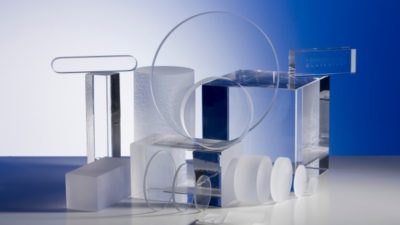
Miniaturization of Porous to Transparent Ceramics for Structural and Functional Applications
Original price was: USD $99.00.USD $59.00Current price is: USD $59.00.
The Miniaturization of Porous to Transparent Ceramics course offers a comprehensive journey into the transformation of porous ceramics into transparent, high-performance materials. With practical demonstrations and advanced theory, this course equips engineers, researchers, and materials scientists with the tools to innovate and excel in modern ceramics.
About the Course
This program addresses a key challenge in materials engineering: how to transform porous ceramics, traditionally valued for mechanical or thermal properties, into optically transparent components without compromising strength or function. The course combines theory on ceramic composition, porosity, and microstructure with practical instruction in modern fabrication methods.
Learners will examine how porosity affects mechanical, thermal, and optical behavior and gain hands-on experience in producing miniaturized components suitable for structural and functional applications.
“Transform porous ceramics into functional transparent components through applied microstructural control and advanced fabrication.”
Why This Topic Matters
Porous and transparent ceramics are at the intersection of several high-demand sectors:
- Research & development: Accurate control of microstructure enables predictive modeling of ceramic behavior.
- Industry needs: Transparent ceramics are used in optical windows, sensor covers, and aerospace components.
- Technical challenge: Achieving optical clarity while maintaining strength requires precise fabrication and miniaturization.
- Interdisciplinary relevance: Combines materials science, nanotechnology, optics, and manufacturing engineering.
What Participants Will Learn
• Mechanisms by which porosity influences mechanical and optical properties
• How to control microstructure for transparent ceramic fabrication
• Miniaturization techniques including cold sintering, additive manufacturing, and CNC machining
• Material selection and design for structural or optical applications
• Characterization methods for performance evaluation of ceramic systems
• Practical project-based experience designing miniaturized ceramic components
Course Structure
Module 1 — Fundamentals of Ceramic Materials
- Ceramic composition and crystalline structures
- Classification of porous vs dense ceramics
- Influence of porosity on mechanical, thermal, and optical properties
Module 2 — Porosity and Material Properties
- Types of pores and distribution patterns
- Light scattering and transparency considerations
- Performance optimization strategies
Module 3 — Predictive Modeling and Miniaturization Techniques
- Nano- and microstructural control methods
- Advanced fabrication: cold sintering, stereolithography, additive manufacturing
- Precision machining for fine-scale components
Module 4 — Applied Design and Final Project
- Design of a miniaturized transparent ceramic component
- Material selection, processing route, and characterization planning
- Application-oriented evaluation for optics, sensors, or structural use
Tools, Techniques, or Platforms Covered
Sterelithography (SLA)
Cold Sintering
CNC Machining
Characterization Tools
Predictive Modeling Frameworks
Cold Sintering
CNC Machining
Characterization Tools
Predictive Modeling Frameworks
Real-World Applications
- Optics & Photonics: Transparent windows, laser components, sensor covers
- Aerospace & Defense: Lightweight, high-strength transparent ceramics for structural parts
- Electronics & Energy: High-performance insulating or functional components
- Research: Advanced materials study and experimental prototypes
- Manufacturing: Applied workflows for miniaturized components in R&D or production
Who Should Attend
- Graduate or postgraduate materials science and nanotechnology students
- Ceramic engineers and researchers seeking applied fabrication expertise
- Optical, photonics, or electronics professionals working with functional materials
- Product designers in aerospace, defense, or energy sectors
- Advanced manufacturing specialists exploring ceramic microstructure and transparency
Prerequisites or Recommended Background: Foundational knowledge in materials science or engineering, familiarity with ceramic structures, porosity, and basic thermomechanical properties. No advanced programming required; basic lab or experimental experience recommended.
Why This Course Stands Out
Unlike general materials courses, this program combines theory, fabrication, and applied design with a focus on miniaturization and optical transparency. Learners gain:
- Interdisciplinary framing: Materials science meets nanotechnology, optics, and manufacturing
- Hands-on design project: Direct application of techniques to real-world components
- Expert guidance: Instruction from professionals active in advanced ceramic research
- Balance of theory and practice: Microstructure, modeling, and fabrication are covered comprehensively
Related products
-

Integrated Program in Nanotechnology
USD $59.00 USD $249.00Price range: USD $59.00 through USD $249.00 Select options This product has multiple variants. The options may be chosen on the product page -

Exploring Green Nanotechnology for Sustainable Industrial Effluent Treatment
USD $59.00 USD $249.00Price range: USD $59.00 through USD $249.00 Select options This product has multiple variants. The options may be chosen on the product page -

Carbon Fiber Reinforced Plastics (CFRPs)
USD $1,399.00 Enroll Now -

Medical Breakthroughs with Bionanotechnology: Applications and Innovations
USD $59.00 USD $249.00Price range: USD $59.00 through USD $249.00 Select options This product has multiple variants. The options may be chosen on the product page -

Nanopharmaceuticals and Their Industrial Applications Program
USD $59.00 USD $249.00Price range: USD $59.00 through USD $249.00 Select options This product has multiple variants. The options may be chosen on the product page

What You’ll Gain
- Full access to e-LMS
- Publication opportunity
- Self-assessment & final exam
- e-Certificate
Reviews
There are no reviews yet.