
Aim
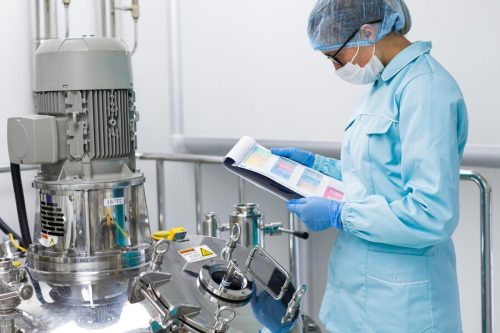
This course offers an in-depth exploration of advanced bioprocess engineering, focusing on the latest biotechnological processes and systems used in the production of bio-based products. It covers the essential principles of bioreactor design, fermentation, downstream processing, and scaling-up bioprocesses. Through this course, participants will gain a solid understanding of bioprocess optimization, equipment selection, and process control strategies. By the end, learners will be able to design, optimize, and troubleshoot complex bioprocesses to meet industrial demands in biotechnology, pharmaceuticals, and food production.
Program Objectives
- Understand Bioprocess Engineering Principles: Learn the core principles behind bioprocess design, optimization, and scale-up.
- Explore Advanced Bioreactor Design: Study the various types of bioreactors used in biotechnology and how to select and optimize them for different applications.
- Optimize Fermentation Processes: Gain insights into fermentation kinetics, reactor dynamics, and how to achieve optimal microbial or cell culture growth.
- Downstream Processing Techniques: Understand how to efficiently extract and purify products from bioreactor cultures using advanced separation and filtration methods.
- Hands-on Experience: Develop the skills needed to design, model, and optimize bioprocesses for industrial production.
Program Structure
Module 1: Introduction to Advanced Bioprocess Engineering
- Overview of bioprocess engineering: from research to industrial-scale production.
- The evolution of biotechnology and its impact on various industries like pharmaceuticals, food production, and biofuels.
- The interdisciplinary nature of bioprocess engineering: biology, chemistry, engineering, and economics.
- Common challenges in bioprocess engineering and strategies for overcoming them.
Module 2: Bioreactor Design and Scale-Up
- Understanding bioreactor types: batch, continuous, fed-batch, and perfusion systems.
- Design considerations: mass transfer, heat transfer, mixing, and aeration in bioreactors.
- Bioreactor scale-up: from laboratory to industrial-scale bioprocesses, and the associated challenges.
- Modeling and simulation tools for bioreactor design and optimization.
- Case studies: real-world applications of bioreactor designs in different industries.
Module 3: Fermentation Kinetics and Process Control
- Microbial and cell culture growth kinetics: understanding the growth phases and factors that affect microbial metabolism.
- Process control strategies: maintaining optimal conditions for fermentation through pH, temperature, and nutrient regulation.
- Advanced fermentation techniques: using genetic engineering, metabolic flux analysis, and systems biology approaches to optimize yields.
- Real-time monitoring and control in fermentation processes: instrumentation and automation in bioprocessing.
- Case studies: optimizing fermentation processes for industrial products like antibiotics, biofuels, and enzymes.
Module 4: Downstream Processing in Bioprocessing
- Introduction to downstream processing: the steps required to recover, purify, and concentrate bioproducts from cultures.
- Separation techniques: centrifugation, filtration, chromatography, and membrane processes.
- Purification strategies: selecting the right techniques for specific products, such as proteins, enzymes, and metabolites.
- Process optimization in downstream operations: maximizing yield while maintaining product integrity.
- Case studies: successful downstream processing applications in biotechnology and the pharmaceutical industry.
Module 5: Bioprocess Optimization Techniques
- Understanding the principles of bioprocess optimization: improving efficiency, product yield, and product quality.
- Optimizing carbon and nitrogen sources for microbial growth in fermentation processes.
- Strategies for improving product titers: genetic optimization, environmental control, and bioreactor configuration.
- Modeling bioprocesses: using computational models and simulations to predict outcomes and optimize processes.
- Experimental design and statistical methods for optimizing bioprocess parameters.
Module 6: Bioprocess Safety, Quality, and Regulatory Considerations
- Safety protocols in bioprocess engineering: preventing contamination, ensuring operator safety, and handling hazardous materials.
- Regulatory guidelines for bioprocesses: understanding GMP (Good Manufacturing Practices), FDA regulations, and industry standards.
- Quality control and assurance in bioprocessing: maintaining consistency and reproducibility in product manufacturing.
- Risk assessment and management strategies in bioprocesses: ensuring safe and compliant operations.
Module 7: Emerging Trends in Bioprocess Engineering
- Advancements in synthetic biology: using engineered organisms to produce complex bioproducts.
- The role of automation and robotics in bioprocess engineering: improving efficiency and reducing labor costs.
- Industrial biotechnology and the shift towards green processes: eco-friendly solutions in bio-manufacturing.
- Innovative bioreactor designs: microreactors, continuous processing, and 3D bioprinting technologies for bioproduction.
- Future trends: bioprocessing for bio-based chemicals, pharmaceuticals, and materials from renewable resources.
Final Project
- Design a Comprehensive Bioprocess System for a specific biotechnological product, such as biofuels, biochemicals, or pharmaceuticals.
- Include: feedstock selection, bioreactor design, fermentation strategy, downstream processing, and sustainability analysis.
- Example projects: designing a bioprocess for bioethanol production from agricultural waste, or a biopharmaceutical production system for recombinant proteins.
Participant Eligibility
- Students and professionals in Biotechnology, Chemical Engineering, Environmental Engineering, or related fields.
- Researchers and engineers working in bioprocess development, bio-manufacturing, or bioproduct production.
- Entrepreneurs and industry professionals interested in the application of bioprocess engineering in various industries.
- Basic knowledge of microbiology, fermentation technology, or process engineering is helpful but not required.
Program Outcomes
- Bioprocess Optimization: Gain expertise in optimizing bioprocesses for the efficient production of biofuels, biochemicals, and other bio-based products.
- Bioreactor Design and Scale-Up: Learn how to design, model, and scale-up bioreactor systems for industrial applications.
- Downstream Processing Expertise: Understand the techniques required for the separation, purification, and recovery of bioproducts from bioreactor cultures.
- Sustainability and Regulatory Knowledge: Learn to design bioprocesses that are both environmentally sustainable and compliant with regulatory standards.
- Hands-on Design Skills: Develop a practical, industrial-scale bioprocess system design for real-world biotechnological applications.
Program Deliverables
- Access to e-LMS: Full access to course materials, case studies, design templates, and project planning tools.
- Bioprocess Toolkit: Bioreactor design guides, process optimization templates, modeling resources, and regulatory compliance documents.
- Case Studies: Real-world examples of bioprocess engineering applications in biopharmaceuticals, biofuels, and sustainable manufacturing.
- Project Guidance: Mentor support for final project completion and feedback.
- Final Assessment: Certification after assignments + capstone submission.
- e-Certification and e-Marksheet: Digital credentials provided upon successful completion.
Future Career Prospects
- Bioprocess Engineer
- Biotechnology Process Optimization Specialist
- Industrial Biotechnology Consultant
- Research Scientist (Bioprocessing and Bio-manufacturing)
- Sustainability Specialist (Bio-based Production)
Job Opportunities
- Biotechnology Companies: Developing bioprocess systems for the production of biofuels, biochemicals, and other bio-based products.
- Biopharmaceutical and Food Industries: Designing and optimizing fermentation and bioreactor systems for pharmaceutical and food production.
- Consulting Firms: Providing expertise in bioprocess design, optimization, and scale-up for various biotechnological applications.
- Research Institutions: Conducting studies and innovations in bioprocess engineering, bio-manufacturing, and sustainability.
- Environmental Agencies: Promoting eco-friendly biotechnological solutions for sustainable industrial processes and bio-based production.


Reviews
There are no reviews yet.